The Role of Social Media in Discovering New Musical Talents: A New Era of Influence
Understanding the Revolution of Music Discovery
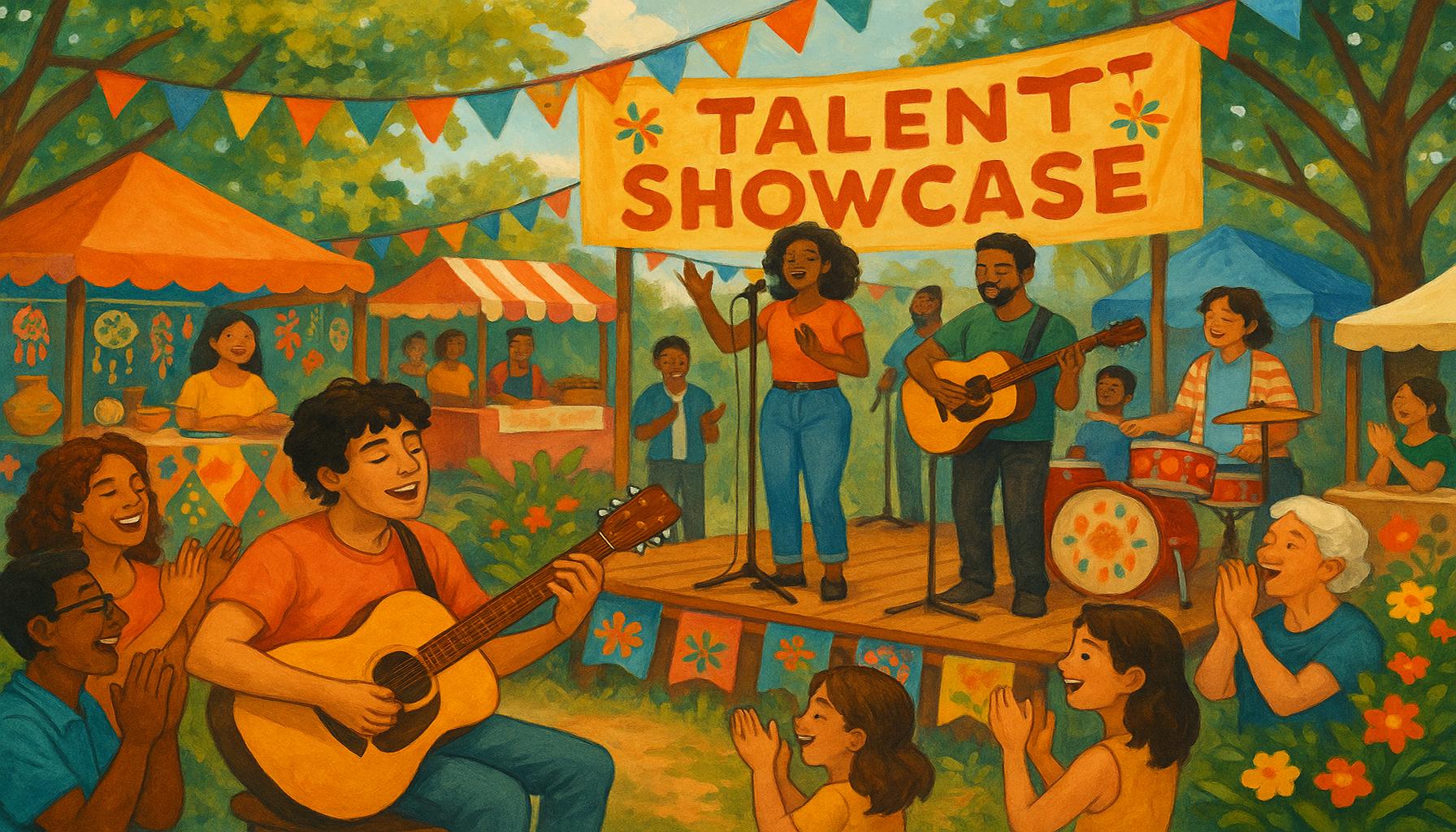
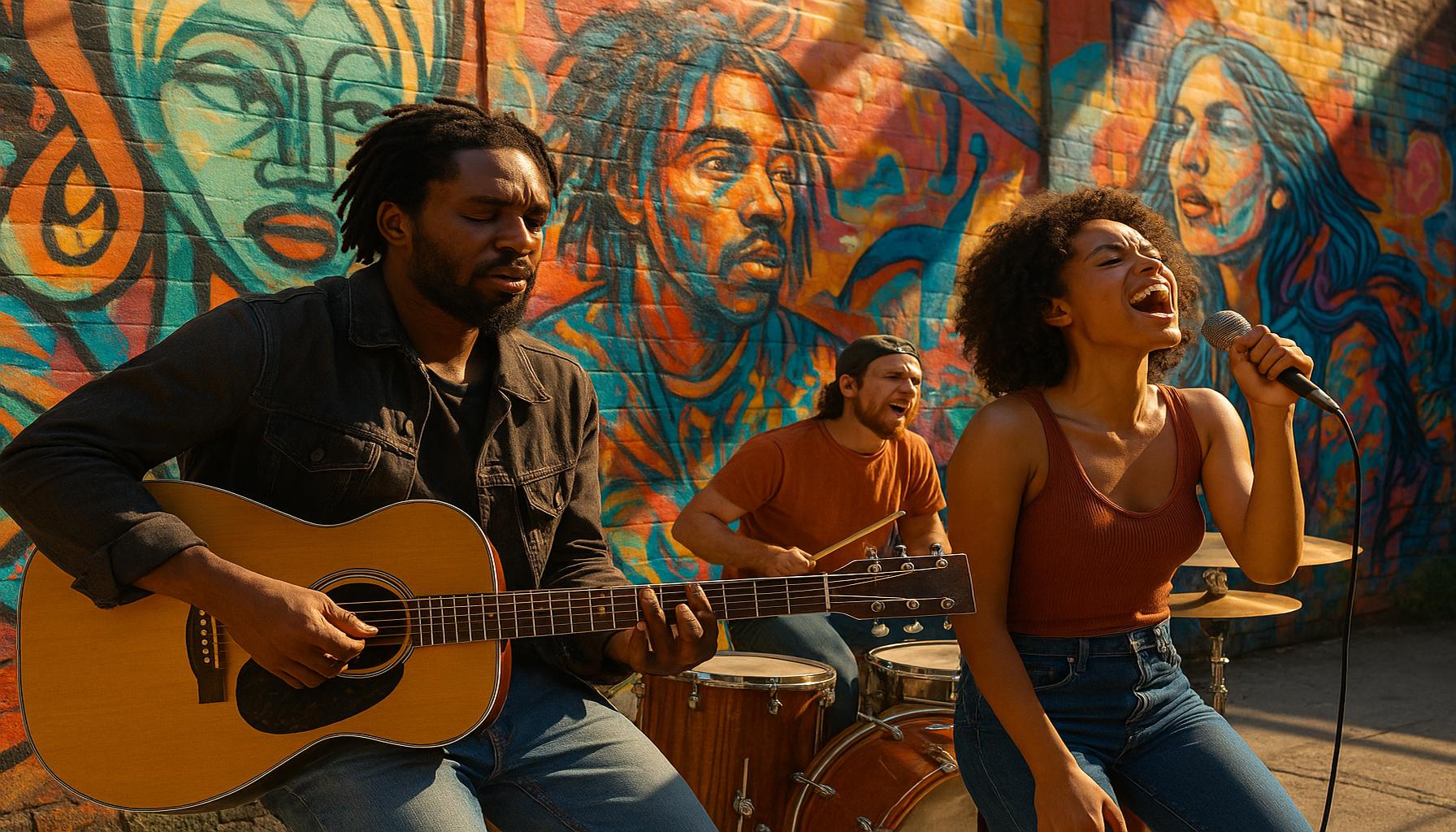
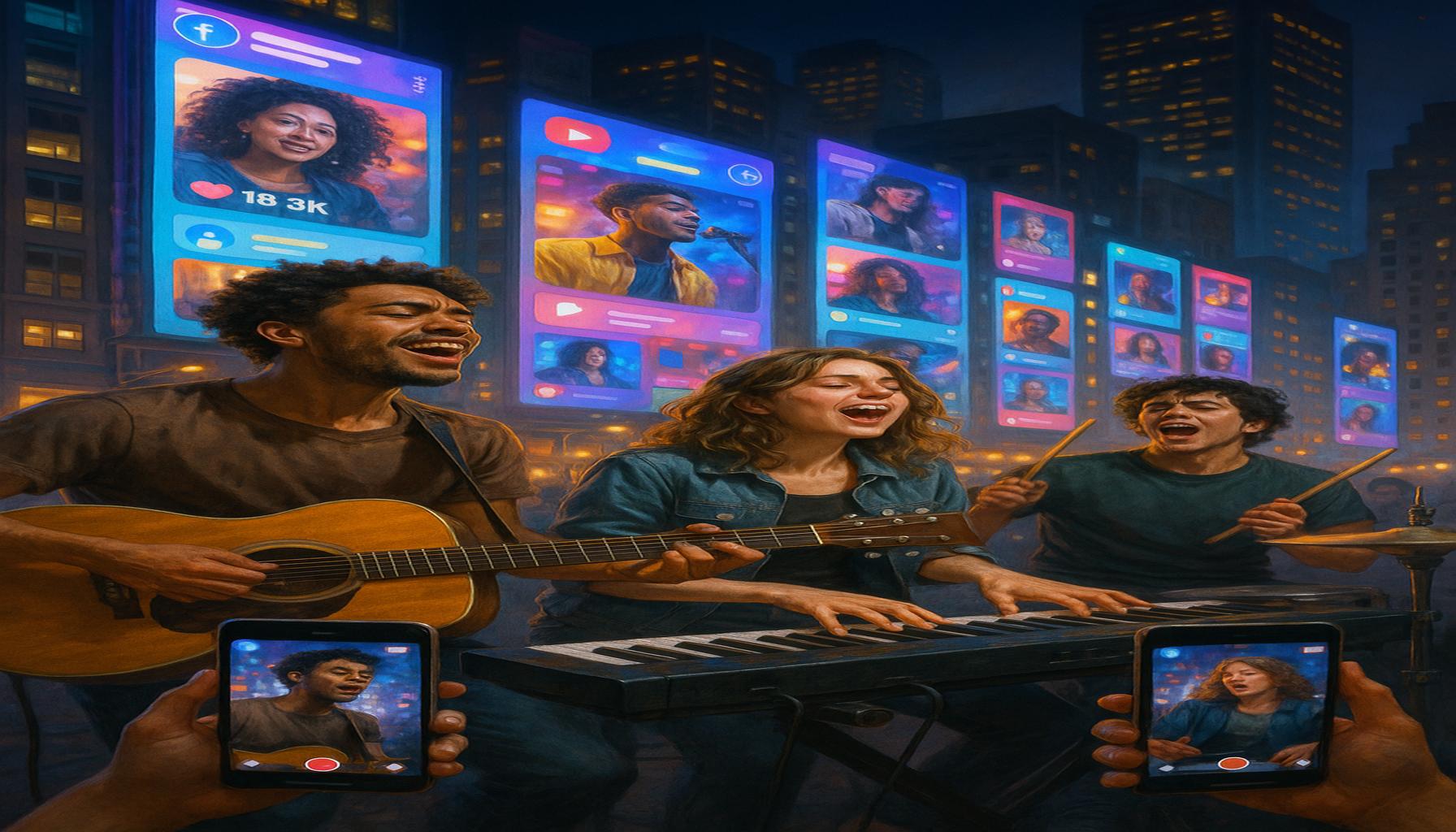
As we navigate through the digital age, the impact of social media on the music industry becomes increasingly evident. Gone are the days when traditional radio and record labels held the keys to success for budding artists. Today, platforms like Instagram, TikTok, and YouTube serve not just as social connectors, but as pivotal stages where ordinary individuals can catapult their musical careers. This digital transformation has revolutionized how music is produced, promoted, and consumed.
One of the most remarkable aspects of this evolution is the accessibility that social media provides. Artists can originate from any corner of the globe, sharing their music with a potentially worldwide audience at the touch of a button. For example, Lil Nas X’s meteoric rise to fame began with his viral hit “Old Town Road,” largely propelled by TikTok challenges that encouraged users to create dance videos featuring his song. This phenomenon illustrates how ordinary users can contribute to an artist’s success, turning them into cultural icons almost overnight.
Viral trends define the new music landscape, where a single post can spark global conversations around a song or an artist. The ‘Supalonely’ challenge on TikTok, featuring singer BENEE’s upbeat track, created a surge in streams and downloads, leading to mainstream recognition. Such viral moments not only elevate individual tracks but can reshape the charts overnight, showcasing the unpredictable nature of digital fame.
Additionally, community engagement has found a new home on social media. Unlike traditional music promotion, artists today can interact directly with their fans. This interaction builds a sense of loyalty and offers feedback that can influence an artist’s future work. For instance, a musician might release snippets of new songs on Instagram Stories, inviting fans to vote on which single should be released next. This direct line of communication not only fosters a deeper connection but also allows artists to feel the pulse of their audience in real-time.
Moreover, streaming platforms like Spotify and Apple Music are integrating social media features to enhance user experiences. Playlists allow listeners to follow their favorite artists’ updates and new releases, merging music consumption with social interaction. This synergistic relationship further amplifies the potential for artists to reach new audiences and solidifies their presence in the market.
In conclusion, social media is not just a supplementary tool in the music industry; it has become integral to how musical talent is discovered and nurtured. As we continue to observe this landscape evolve, it is clear that the implications for the future of the music industry are profound. The blend of creativity, technology, and immediacy ensures that artists from all backgrounds have a platform to be heard, shaping a more inclusive and diverse music scene.
DIVE DEEPER: Click here to discover family-friendly activities
The Platforms Fueling the Rise of New Artists
In the era of digital innovation, specific platforms have emerged as champions of musical discovery. Each social media outlet brings unique dynamics to the table, catering to different audiences and facilitating various forms of engagement. Among these, TikTok, Instagram, and YouTube stand out as key players in nurturing musical talent and shaping the careers of aspiring artists.
TikTok, in particular, has revolutionized how artists connect with listeners. The platform’s short-form video content encourages creativity and fosters viral challenges that can launch an unknown artist into the mainstream. According to a study by the NPD Group, songs that have viral moments on TikTok see an increase in streaming activity by over 300%, highlighting the profound impact such exposure can have. Users can simply create and share content involving a song, quickly disseminating it across their networks and transforming listeners into fans.
Similarly, Instagram serves as a visually-driven platform that enables artists to showcase their personalities and talents. With features like Stories and Reels, musicians can share behind-the-scenes content, music previews, and personal interactions, giving fans a glimpse into their lives. This authentic connection is vital for fostering a dedicated following. The idea of the ‘cult of personality’ thrives in this environment, leading artists to not only be musicians but also influencers, actively engaging their audience.
YouTube remains a stalwart in the music discovery landscape, with its long-form video capabilities allowing artists to present their music through music videos, live performances, and engaging content. Statistical data indicates that over 1 billion hours of YouTube content are watched daily, signaling an expansive audience awaiting new material. Many artists, including Shawn Mendes and Billie Eilish, gained initial attention through YouTube before transitioning to larger platforms and record deals. This trajectory reinforces the notion that social media can act as an equalizer, allowing raw talent to shine, regardless of traditional industry barriers.
The success stories of many artists underscore the importance of engagement. Emerging musicians often utilize social media to:
- Showcase their music: Posting snippets of songs or covers can capture potential listeners’ attention.
- Engage with fans: Building a community that feels personally connected to the artist.
- Collaborate with others: Partnering with fellow creators can introduce the artist to different audiences.
- Analyze feedback: Observing fan reactions through comments and interactions to adapt their style or content.
This shift in how artists promote their music signifies a new era of influence—one where the barriers are lower, but the competition has intensified. As the digital sphere continues to evolve, its role in shaping the musical talent pipeline remains paramount, placing unprecedented power in the hands of both artists and audiences alike.
As we delve deeper into the intricate relationship between social media and the discovery of new musical talents, it becomes evident that the platforms serve not only as a launching pad for artists but also as a decentralized hub for creativity. Artists, regardless of their background, can now reach global audiences without the traditional gatekeepers of the music industry. Platforms like Instagram, TikTok, and YouTube enable musicians to showcase their work, connect with fans, and network with industry professionals, all from the comfort of their home studios. Moreover, social media algorithms play a pivotal role in shaping what is trending. Viral challenges and shareable content can propel an unknown artist into instant fame. For instance, TikTok’s format allows brief snippets of songs to resonate quickly, facilitating the rapid rise of tracks like “Old Town Road” by Lil Nas X. Such phenomena demonstrate how a catchy hook can capture the audience’s attention and lead to widespread recognition. Additionally, social media aids in identifying diverse musical styles and talents that might otherwise go unnoticed. Artists from different cultural backgrounds now showcase their unique sounds and narratives, enriching the global music scene. The accessibility of these platforms democratizes the music industry, giving a voice to those who may not fit the traditional mold of success defined by record labels.The interaction between artists and fans has also transformed significantly; audiences can engage directly with their favorite musicians through comments, reactions, and live sessions, building a sense of community. This interaction fosters loyalty and inspires artists to produce music that resonates with their listeners. In essence, we are witnessing the emergence of a new era in which social media not only enhances the discovery of musical talents but also reshapes how music is created, shared, and experienced. This evolving landscape is not merely a trend but a profound shift that continues to influence the musical narratives we encounter in today’s world. As we explore these dynamics further, it reveals the untapped potential that lies within these digital spaces for burgeoning talents looking to break through.
DIVE DEEPER: Click here to discover how illustrations can enhance your reading journey
The Power of User-Generated Content in Music Discovery
One of the key innovations brought forth by social media is the rise of user-generated content (UGC), which plays a critical role in how new musical talents are discovered. With millions of users creating and sharing content every day, platforms have transformed ordinary fans into curators of musical trends, establishing a direct pipeline for independent artists to reach potential listeners. UGC not only democratizes the music industry but also fosters an environment where word-of-mouth recommendations can have a significant impact on an artist’s trajectory.
SoundCloud, a platform traditionally known for its music-sharing capabilities, exemplifies this phenomenon. Emerging artists can upload their tracks, receive instant feedback, and interact with listeners directly. This grassroots approach often leads to viral hits, as tracks that resonate with users can quickly circulate within the community. Notable examples like Post Malone and Lil Uzi Vert gained popularity through SoundCloud, leveraging its accessibility to break free from traditional music distribution limits.
Moreover, platforms like Twitter and Facebook enable artists to engage more personally with their followers, reinforcing their brand identity and authenticity. Through Twitter threads, for instance, artists can share stories behind their songs or discuss their struggles, making their music relatable. This not only cultivates a loyal fan base but also creates a buzz around new releases, often leading to increased streams and higher visibility on charts. According to GlobalData, 79% of consumers feel more engaged with brands that respond to customer feedback on social media, underscoring the importance of interaction in today’s digital marketplace.
Collaborations have also taken on a new meaning, thanks to the interconnectedness of social media. Aspiring musicians often team up with established artists or influencers to gain exposure to new audiences. For example, a simple cover challenge on TikTok can lead to a mashup with a well-known artist, significantly boosting an emerging talent’s visibility. This process not only showcases creative synergy but also fosters discovery through association—the concept that liking one artist may lead to a natural inclination to explore associated musicians.
Furthermore, social media analytics now provide artists with valuable insights into their audience. Platforms are equipped with tools that allow musicians to track engagement metrics, demographics, and listening habits. This data enables artists to tailor their content and engage with fans more effectively. For instance, knowing that a majority of listeners engage with a particular song during the weekend allows an artist to time their promotional activities accordingly, optimizing reach and potential impact.
The collective function of social media fosters a shift in how talent is recognized and escalated. The evolving landscape equips artists with tools to build a robust online presence while providing audiences the power to propel their favorite newcomers into the spotlight. As platforms continue to enhance user engagement features, the synergy between artists and audience is bound to grow, solidifying social media’s integral role in shaping the future of the music industry.
DIVE DEEPER: Click here to uncover the future of digital art
Conclusion: The Future of Music Talent Discovery
In an era where the music industry is undergoing a seismic shift, the role of social media in discovering new musical talents is undeniably pivotal. It has transformed not only how music is shared but also who gets to share it. Platforms like SoundCloud and TikTok democratize access, enabling independent artists to gain visibility without the backing of traditional record labels. A multitude of creators, from aspiring singers to influential curators, can now craft the soundscape of tomorrow.
The proliferation of user-generated content facilitates organic connections between artists and audiences, creating a deeper sense of community and engagement. This relationship is further enriched by real-time feedback and analytics, allowing musicians to evolve their work based on the tastes and trends emerging from their followers. Collaboration opportunities, once exclusive to established names, are now commonplace, introducing fresh sounds and perspectives that challenge existing norms.
Moreover, as social media evolves, so does its ability to influence musical trends and tastes. The interconnectedness of platforms not only accelerates the discovery of new talent but also shapes how artistic identities are built and communicated. As listeners, we are empowered to be active participants in this ecosystem, enjoying the dual role of fan and curator. The implications are profound; the landscape of music is being redefined, led by a new generation of artists who thrive on authenticity and direct interaction with their followers.
As we look to the future, one can’t help but wonder: how will emerging technologies continue to impact this ever-evolving narrative of music discovery? The potential is vast, and as social media remains at the forefront, we can anticipate a thrilling journey through the melodic corridors of creativity, waiting to reveal the next wave of talent. Staying engaged with these platforms not only gives us a front-row seat to innovation but also opens doors for the next big musical phenomena yet to be discovered.