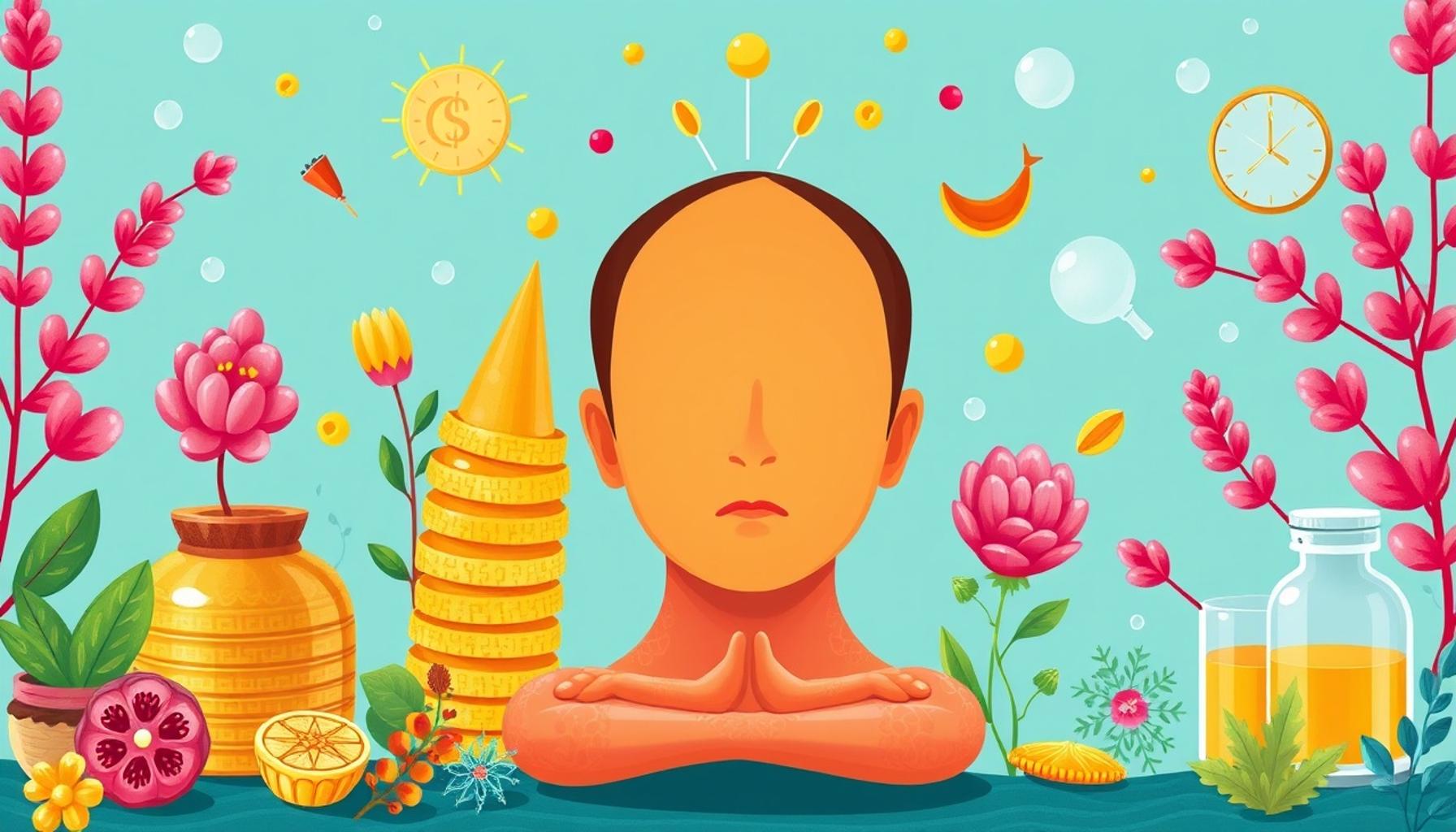
The Relationship Between Stress and Skin Aging: Strategies to Reduce the Effects of Stress

Exploring the Link Between Stress and Skin Health
In our fast-paced modern life, stress seems to be a ubiquitous presence, stemming from various sources such as tight deadlines at work, familial obligations, or even financial concerns. Regardless of the origin, the repercussion on our skin is profound and complex. Scientific studies reveal that the connection between stress and skin aging is not only compelling but also alarming for many.
- Cortisol Release: When we encounter stress, our body reacts by releasing cortisol, often referred to as the “stress hormone.” Elevated cortisol levels can lead to inflammation, which impairs the skin’s natural healing process. Moreover, chronic high cortisol can result in reduced collagen production—a critical protein that maintains skin elasticity and firmness—causing it to look aged and tired.
- Compromised Skin Barrier: The skin barrier, which is essential for protecting against environmental pollutants and allergens, becomes increasingly fragile under sustained stress. With a weakened barrier, the skin becomes more vulnerable to issues like redness, irritation, and even conditions such as eczema and acne, adding to the signs of aging.
- Accelerated Aging Signs: The physical manifestation of stress is often evident in our skin. Individuals may notice more pronounced wrinkles, an uptick in fine lines, and a sagging appearance—all indications that the skin is aging at an accelerated pace due to stress. The phenomena are not merely anecdotal; studies suggest that stress can indeed precipitate these outward signs of aging.
While the implications of stress on skin aging may seem daunting, there is a silver lining. Numerous strategies can be employed to help counteract these detrimental effects, promoting a well-rounded approach to skin health and personal well-being. Consider incorporating the following practices:
- Meditation and Mindfulness: Engaging in meditation and mindfulness exercises not only aids in relaxation but has also been proven to lower cortisol levels. For instance, just ten minutes of focused breathing each day can significantly alter one’s stress response.
- Regular Exercise: Exercise is another effective way to combat stress. Physical activity boosts endorphins—the body’s natural mood elevators—and improves blood circulation, leading to healthier, more vibrant skin. A simple walk in your local park or a yoga session can work wonders for both your mental and physical health.
- Skincare Routines: A dedicated skincare regimen can be a soothing part of your day. Look for products that feature calming ingredients like aloe vera, chamomile, or hyaluronic acid, which help combat inflammation and boost hydration levels. Routine self-care rituals can significantly enhance not just skin health, but overall life satisfaction.
By delving into the intriguing relationship between stress and skin aging, individuals can take proactive steps to safeguard their skin against life’s inevitable pressures. Beyond cosmetic considerations, reducing stress can lead to overall health and happiness, encouraging a holistic approach to well-being. With a combination of scientific insight and practical strategies, it becomes clear that the battle against stress is one worth fighting—not just for the sake of our skin, but for our overall quality of life.
DIVE DEEPER: Click here to uncover the significance of transparency in cosmetics
The Biological Impact of Stress on Skin Health
The connection between stress and skin aging is a topic of increasing relevance and intrigue, particularly in the fast-paced world many individuals inhabit today. As stress levels rise, understanding the biological mechanisms at play can shed light on how this emotional state manifests visibly on our skin. One of the primary culprits in this relationship is the hormone cortisol, often referred to as the “stress hormone.” When the body is subjected to stress, cortisol levels surge, bringing a host of physiological changes that can be detrimental to skin integrity and appearance.

Cortisol serves various important functions within the body, including regulating metabolism, immune response, and blood pressure. However, when produced in excess, it can lead to several adverse effects on the skin:
- Inflammation: High cortisol levels promote systemic inflammation, which can not only inhibit the skin’s ability to heal but also aggravate pre-existing skin conditions such as acne and rosacea. Chronic inflammation causes a degradation of essential proteins like collagen and elastin, leading to premature development of wrinkles, fine lines, and sagging skin. For instance, a study from the Journal of Investigative Dermatology notes that increased inflammation can accelerate skin aging processes.
- Reduced Blood Flow: Stress may lead to vasoconstriction, a physiological response where blood vessels narrow, substantially decreasing blood flow to the skin. This reduced circulation deprives the skin of vital oxygen and nutrients, resulting in a complexion that appears dull, tired, and lifeless. Regularly engaging in stress-reducing activities, such as yoga or meditation, can counteract these effects and help in maintaining a healthier complexion.
- Hormonal Imbalances: Stress disrupts the delicate balance of hormones, particularly those involved in skin function such as androgens and estrogens. This can lead to increased sebum production, often resulting in oily skin and acne breakouts. Conversely, lower hormone levels can diminish skin hydration, leading to dryness and flakiness. This cyclical dance of oiliness and dryness exacerbates conditions like eczema and can age the skin prematurely.
Moreover, stress often results in behavioral changes that further compromise skin health. An individual coping with stress may engage in poor dietary choices, gravitating towards comfort foods that are high in sugars and unhealthy fats, which not only contribute to systemic inflammation but may also escalate skin conditions. Research indicates that a diet low in antioxidants and high in processed foods can accelerate the aging process, demonstrating the necessity for a balanced diet rich in fruits, vegetables, and omega-3 fatty acids to support skin vitality.
Lack of sleep is another critical factor associated with stress, often overlooked but equally impactful. Sleep deprivation can lead to compromised skin barrier function, resulting in visible issues such as dark circles and increased fine lines. According to a study published in Clinical and Experimental Dermatology, individuals who experience inadequate sleep exhibit significant changes in skin hydration and elasticity, correlating directly with increased signs of aging.
Understanding the biological underpinnings of how stress impacts skin aging empowers individuals to take proactive steps in maintaining their skin’s health. Incorporating stress management techniques—such as mindfulness meditation, adequate sleep, and a wholesome diet—into daily routines can effectively counteract the stress-induced effects on the skin. In a society where stress management is often an afterthought, recognizing and prioritizing these practices can be vital for achieving not just enhanced skin vitality but also improved overall well-being.
Understanding the intricate relationship between stress and skin aging is vital for maintaining youthful skin. When individuals experience stress, the body releases hormones like cortisol, which can lead to inflammation, reduced collagen production, and accelerated aging. This physiological response not only affects overall health but significantly alters skin texture and appearance. Research suggests that chronic stress can cause visible signs of aging, such as fine lines, wrinkles, and loss of elasticity, adding to the urgency for effective stress management strategies.
Incorporating stress reduction techniques into daily routines can have a profound impact on skin health. Practices like mindfulness meditation, yoga, and regular physical activity not only alleviate stress but also enhance skin function by improving blood circulation and nutrient distribution. Moreover, adopting a skincare regimen rich in antioxidants and hydration can combat oxidative stress, which is exacerbated by emotional strain. It’s important to recognize that adopting a holistic approach towards mental well-being can result in visible benefits, including a more radiant and youthful complexion.
Additionally, adequate sleep is indispensable in the fight against skin aging. Sleep deprivation elevates stress levels, creating a cycle that is difficult to break. Hormonal fluctuations during lack of sleep can lead to increased oil production and skin irritation. Therefore, prioritizing good sleep hygiene can not only mitigate stress but also enhance skin rejuvenation processes, contributing to a healthier look.
Understanding the connection between stress and skin aging is an empowering knowledge that can prompt individuals to take actionable steps towards self-care and well-being, fostering not just a healthy mind but a vibrant, youthful appearance.
| Category | Benefits |
|---|---|
| Exercise | Improves circulation and releases endorphins, reducing stress and enhancing skin vitality. |
| Mindfulness Meditation | Reduces cortisol levels, helping to minimize skin inflammation and promote cellular repair. |
| Adequate Sleep | Rejuvenates skin cells, giving a fresh and youthful appearance while regulating stress hormones. |
| Hydration | Maintains skin elasticity and combats dryness often linked to stress-related skin issues. |
DISCOVER MORE: Click here for fantastic DIY beauty tips
Effective Strategies to Mitigate Stress and Enhance Skin Health
As the link between stress and skin aging becomes increasingly clear, the importance of proactive management of stress cannot be overstated. By employing effective strategies designed to reduce stress levels, individuals can not only protect their skin from premature aging but also foster an overall sense of well-being. Below are several evidence-based approaches aimed at mitigating stress and promoting healthier skin.
Mindfulness and Relaxation Techniques
Practicing mindfulness has garnered attention in recent years as an effective approach to stress management. Techniques such as meditation, deep-breathing exercises, and progressive muscle relaxation have been shown to lower cortisol levels significantly. A meta-analysis published in the journal Psychological Bulletin demonstrated that mindfulness-based stress reduction (MBSR) could decrease psychological stress, which is likely to yield positive effects on skin health as well. Allocating just 10 to 15 minutes daily to practice mindfulness can not only help calm the mind but also benefit skin by encouraging a more balanced hormonal response.
Regular Physical Activity
Another effective strategy lies in engaging in regular physical activity. Exercise has been shown to trigger the release of endorphins, often referred to as “feel-good” hormones, which can alleviate feelings of stress and anxiety. Moreover, exercise improves circulation, which enhances blood flow to the skin and facilitates the delivery of essential nutrients and oxygen. As per research from the American Academy of Dermatology, consistent physical activity can boost skin health, promoting a youthful appearance. Activities such as jogging, cycling, or even brisk walking for at least 30 minutes three to five times a week can make a substantial difference.
Nutrition and Hydration
A well-balanced diet rich in antioxidants plays a pivotal role in combating oxidative stress and inflammation caused by stress. Foods such as berries, leafy greens, nuts, and fatty fish are not only beneficial for internal health but also provide skin with essential nutrients. Antioxidants like vitamins C and E help neutralize free radicals, protecting the skin from premature aging. Additionally, staying adequately hydrated is crucial, as water aids in maintaining skin elasticity and moisture. Research indicates that improved hydration levels can lead to a noticeable reduction in dryness and flakiness, with one study from the Journal of Clinical and Aesthetic Dermatology finding a strong correlation between skin hydration and improved elasticity.
Quality Sleep
Prioritizing quality sleep is crucial for skin recovery and overall well-being. During sleep, the body undergoes repair and recovery processes, releasing growth hormones that contribute to skin regeneration. A study published in Sleep Health found that individuals who consistently get a full night’s sleep show significantly improved skin appearance, with less roughness and better overall hydration levels. Establishing a bedtime routine that encourages relaxation—such as dimming lights, avoiding screens, and engaging in calming activities before bed—can enhance sleep quality and, consequently, skin health.
Professional Skincare and Stress Reduction Services
For those seeking additional support, professional skincare treatments can play a crucial role in addressing the visible effects of stress on the skin. Facials, chemical peels, and microdermabrasion can help rejuvenate the skin and mitigate signs of aging, while also providing a relaxing experience that alleviates stress. Many spas now incorporate wellness-oriented services such as aromatherapy or therapeutic massages, which can further enhance relaxation and stress relief. By allowing oneself to indulge in these experiences, individuals can foster both emotional and skin health, creating a beneficial cycle that promotes a more youthful appearance.
Ultimately, implementing a multifaceted approach to stress management not only benefits mental health but also yields significant returns in skin vitality and appearance. Recognizing the powerful influence of lifestyle choices and stress on skin aging can empower individuals to take charge of their skin health, creating a balanced routine that promotes both resilience to stress and a radiant complexion.
DIVE DEEPER: Click here to discover more
Conclusion
Understanding the intricate relationship between stress and skin aging opens the door to effective strategies that can significantly enhance both our mental and dermatological health. With mounting evidence indicating that chronic stress accelerates the aging process of the skin through hormonal imbalances, inflammation, and oxidative damage, it becomes vital for individuals to adopt a proactive approach in managing stress. By integrating practices such as mindfulness, consistent physical activity, a nutrient-rich diet, proper hydration, and prioritizing quality sleep, not only can we combat the adverse effects of stress on our skin, but we can also promote a sense of overall well-being.
Moreover, seeking professional skincare services, including facials and therapeutic treatments, adds an extra layer of care that can address both the physical and emotional toll of stress. These practices culminate in a beneficial cycle where less stress leads to healthier skin and a more balanced life. As we navigate our daily challenges, the conscious choice to manage stress holds the potential to redefine our skin health and longevity. Investing time in self-care strategies doesn’t merely enhance our appearance; it fosters confidence and resilience against the inevitable strains of life.
In a world where stressors abound, the call to action is clear: prioritize your well-being and skin health by implementing these strategies in your routine. The path to radiant skin and a more tranquil mind lies within grasp, encouraging individuals to explore these methods further and reap the benefits of a harmonious lifestyle.