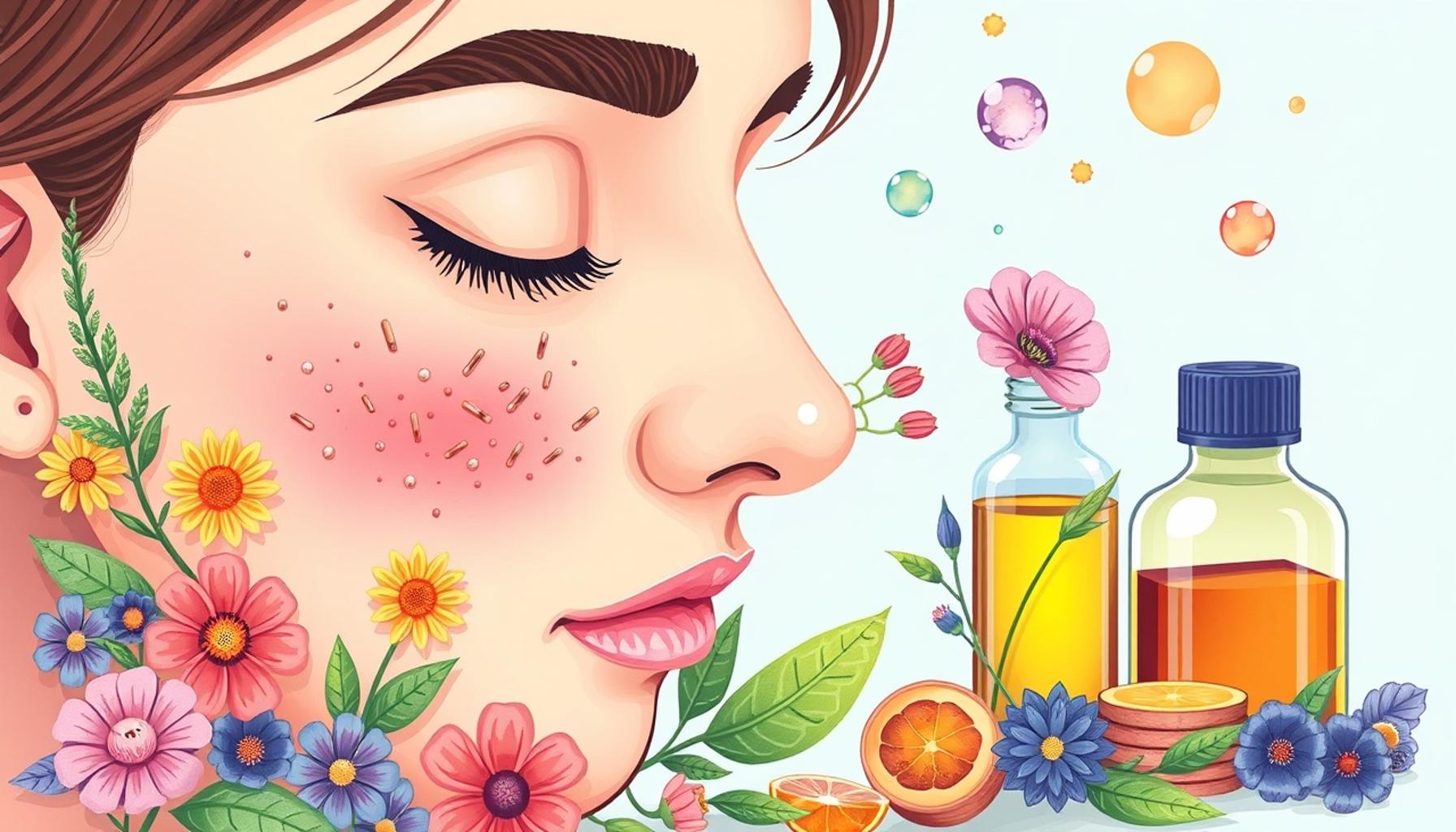
The influence of urban pollution on skin health: preventing and treating acne in contaminated environments

Urban Pollution and Skin Health
In the hustle and bustle of city life, air quality is often compromised. This urban pollution not only affects the environment but profoundly impacts skin health as well. One of the most common skin issues linked to polluted environments is acne, a condition that plagues millions, particularly in metropolitan areas across the United States.
The Links Between Pollution and Skin Conditions
Research indicates that contaminants in the air can lead to inflammation and the exacerbation of various skin conditions. Key factors contributing to this problem include:
- Particulate Matter (PM): These tiny, often invisible particles can penetrate the skin, triggering inflammatory responses that can result in breakouts. Studies have shown that individuals living in areas with high levels of PM experience a noticeable increase in acne severity.
- Ultraviolet Radiation: Urban pollution not only compromises air quality; it also enhances UV exposure due to the scattering and absorption of sunlight by pollutants. This intensified exposure worsens existing skin damage and increases the risk of premature aging, leaving the skin looking dull and uneven.
- Chemical Exposures: Elements such as benzene and formaldehyde are prevalent in polluted urban environments. These chemicals are known to disrupt the skin’s barrier functions, leading to increased moisture loss and susceptibility to irritants, which can worsen conditions like dermatitis and exacerbate acne.
Understanding these influences is crucial for developing effective strategies for preventing and treating acne in contaminated environments. The troubling reality is that urban dwellers face a dual threat: the challenges of a busy lifestyle and the increasing prevalence of skin ailments. For instance, New York City, with its high traffic and construction activities, is often cited as a prime example where air pollution directly correlates with skin issues. Lifestyle factors, such as high-stress levels and inadequate skincare routines, further complicate the situation.
Path Forward
In light of these environmental factors, it is essential to adopt proactive measures for maintaining skin health. This involves not only recognizing the signs of acne but also implementing practical solutions to combat the effects of pollution. Here are a few recommendations:
- Daily Cleansing: Use a gentle cleanser that can effectively remove dirt and pollutants from the skin.
- Antioxidants: Incorporate skincare products with antioxidants such as vitamin C, which help neutralize damage caused by free radicals from pollution.
- Hydration: Keep skin well-hydrated; moisturizers can reinforce the skin barrier and protect against irritants.
- Sunscreen: Use a broad-spectrum SPF to shield your skin from UV damage, especially when urban pollution levels are high.
By acknowledging the significant connection between urban pollution and skin health, individuals can empower themselves with knowledge and practical steps to protect their skin against the city’s relentless assault. This holistic approach allows for a proactive stance on maintaining not only healthy skin but a healthier lifestyle amidst the urban chaos.

DISCOVER MORE: Click here to learn about the benefits of acupuncture for your skin
Understanding the Impact of Urban Pollution on Acne
The escalating levels of urban pollution have raised significant concerns regarding not just respiratory health, but also the health of our skin. A growing body of research underscores the undeniable connection between environmental pollutants and the aggravation of skin conditions, particularly acne. In urban settings, various pollutants from vehicles, industrial emissions, and construction sites combine to create a perfect storm for acne flares.
The Biochemical Mechanism
The skin, being the body’s largest organ, acts as a protective barrier that is constantly exposed to external stressors. Urban pollution introduces an array of damaging substances, including particulate matter (PM), heavy metals, and volatile organic compounds (VOCs), which can penetrate the skin and provoke a cascade of inflammatory responses. Research reveals that particulate matter can lead to increased sebum production, clogged pores, and the proliferation of acne-causing bacteria, making those living in polluted areas particularly vulnerable to acne outbreaks.
Factors That Worsen Acne in Urban Areas
Several factors inherent to urban environments compound the impact of pollution on skin health:
- Higher Stress Levels: Urban living is often synonymous with high stress, which can lead to hormonal fluctuations that exacerbate acne. Cortisol, a hormone released during stress, is linked to increased oil production in the skin.
- Limited Green Spaces: The scarcity of parks and green areas in urban locales means less exposure to natural elements that can be soothing for the skin. This lack of natural respite contributes to increased irritation and skin problems.
- Frequent Use of Skin Care Products: In an effort to combat pollution effects, many individuals layer various products on their skin. However, certain ingredients can interact poorly with pollutants and irritate the skin, further triggering acne.
This complex interplay between pollution, stress, and skincare practices highlights the need for urban dwellers to reevaluate their skincare regimens and adopt a more targeted approach. For example, studies suggest that individuals living in cities like Los Angeles and Chicago, where smog and industrial pollution are prevalent, report a noticeable link between pollution levels and the severity of their acne. This warrants a closer examination of localized skincare approaches in relation to environmental factors.
Raising awareness of how urban pollution directly affects skin health is essential for anyone battling acne in city settings. By recognizing these underlying causes, individuals can take proactive steps to adjust their skincare routines, ultimately leading to better management and prevention of acne in polluted environments.
The Impact of Urban Pollution on Skin Health
Urban pollution is a growing concern, especially as high population densities and industrial activities lead to increased emissions of harmful substances. According to recent studies, pollutants such as particulate matter, heavy metals, and VOCs (volatile organic compounds) can exacerbate skin conditions, including acne. These harmful agents penetrate the skin, leading to inflammation and triggering the skin’s oil production.
In addition to causing physical damage, urban pollution can disrupt the skin’s natural barrier. This breach allows bacteria and other toxins to enter, heightening susceptibility to breakouts. As a result, individuals living in heavily polluted areas may experience chronic skin issues that differ significantly from those in cleaner environments.
Preventing Acne in Contaminated Environments
Preventive measures are critical for maintaining skin health in polluted urban settings. Individuals are advised to incorporate effective skincare routines, including the use of antioxidant-rich products, which can combat oxidative stress caused by environmental exposure. Regular cleansing helps remove dirt and pollutants that accumulate on the skin, reducing the chances of clogged pores.
Moreover, a balanced diet high in vitamins and minerals can support skin repair and resilience. Studies show that antioxidants, particularly vitamins C and E, play a significant role in protecting the skin from damage. Additionally, staying hydrated is vital, as it contributes to overall skin health.
| Prevention Strategies | Benefits |
|---|---|
| Regular Cleansing | Removes pollutants that lead to acne. |
| Use of Antioxidants | Fights oxidative stress and inflammation. |
| Hydration | Maintains skin moisture and barrier functionality. |
Treating Acne Caused by Pollution
For those suffering from pollution-induced acne, effective treatment options are available. Topical treatments containing salicylic acid and benzoyl peroxide can alleviate breakouts by targeting the root causes of acne. Moreover, consulting with dermatologists about tailored skincare regimens can enhance results.
In addition to topical treatments, oral medications may be prescribed for more severe cases, addressing underlying hormonal factors that contribute to acne. By combining these strategies with a commitment to skincare, individuals can navigate the challenges posed by urban pollution more effectively.
DISCOVER MORE: Click here to delve deeper
Strategies for Prevention and Treatment of Acne in Polluted Urban Areas
Living in an urban environment presents unique challenges for maintaining skin health, especially for those prone to acne. Recognizing the detrimental effects of pollution on the skin is the first step; however, effectively preventing and treating acne in contaminated areas requires a multifaceted approach that integrates lifestyle changes, skincare regimens, and protective measures.
Skincare Practices to Combat Pollution Effects
Individuals can fortify their skin against the adverse effects of urban pollution by adopting specific skincare practices. Here are some essential strategies:
- Gentle Cleansing: Using a gentle, sulfate-free cleanser is crucial for removing dirt, pollutants, and excess oils without stripping the skin of its natural moisture. Double cleansing, which involves an oil-based cleanser followed by a water-based cleanser, may be particularly effective in urban settings.
- Antioxidant-Rich Products: Incorporating antioxidants into your skincare regimen can help neutralize free radicals caused by pollution. Vitamin C serums, green tea extracts, and other antioxidant-rich topicals can boost skin defenses and promote a brighter complexion.
- Non-Comedogenic Moisturizers: Selecting lightweight, non-comedogenic moisturizers that won’t clog pores is essential, especially for those with oily or acne-prone skin. Ingredients like hyaluronic acid and aloe vera can provide hydration without exacerbating acne.
- Regular Exfoliation: Gentle exfoliation, either through chemical exfoliants like salicylic acid or physical exfoliants, can help remove dead skin cells and prevent clogged pores. However, over-exfoliating can lead to irritation, so it’s important to find a balance.
Healthy Lifestyle Adjustments
Alongside a robust skincare routine, lifestyle factors also play a pivotal role in managing acne amidst urban pollution:
- Balanced Diet: A diet rich in whole foods, including fruits, vegetables, whole grains, and lean proteins, can bolster skin health from within. Foods high in omega-3 fatty acids, such as fatty fish and walnuts, can also help reduce inflammation.
- Hydration: Staying hydrated is crucial for overall skin health. Water can help flush toxins out of the body and maintain skin elasticity, making it an essential component of an anti-acne regimen.
- Avoiding Smoking and Excessive Alcohol: Smoking and excessive consumption of alcohol can lead to further oxidative stress on the skin, exacerbating acne and allocating less oxygen to skin cells.
Protective Measures Against Pollution
Being proactive about environmental exposure can help minimize the risk of pollution-induced acne. Some protective measures include:
- Using Sunscreen: Daily application of a broad-spectrum sunscreen can protect the skin from harmful UV rays and shield it against pollution damage. Look for formulations containing physical blockers like zinc oxide or titanium dioxide for additional protection.
- Wearing Protective Clothing: Consider wearing long sleeves or using hats to shield the skin from direct exposure to pollutants, especially during times of high air pollution.
- Indoor Air Quality Maintenance: Investing in air purifiers for your home and office can mitigate indoor pollution, helping create a safer space for your skin. Additionally, indoor plants can help enhance air quality and add moisture to the environment.
By recognizing the various factors that contribute to acne in urban settings and identifying effective prevention and treatment strategies, individuals can take charge of their skin health amidst the challenges posed by pollution. Such awareness and actionable changes can lead to significant improvements in acne visibility and overall skin condition, resulting in healthier, resilient skin.
Dive Deeper: Click here to learn how to spot harmful chemicals in your beauty products
Conclusion: Navigating Skin Health in Polluted Urban Environments
The influence of urban pollution on skin health, particularly acne development, is a pressing concern in today’s fast-paced city life. As urban areas grapple with deteriorating air quality and environmental toxins, individuals must remain vigilant about the specific impacts these pollutants may have on their skin. Understanding the connection between urban pollution and acne is essential for empowering individuals to take actionable steps towards prevention and treatment.
By adopting a comprehensive skincare regimen that emphasizes gentle cleansing, hydration, and antioxidants, individuals can bolster their skin’s resilience against the daily onslaught of environmental aggressors. Furthermore, integrating healthy lifestyle adjustments—such as a balanced diet, proper hydration, and avoiding harmful substances—can significantly enhance overall skin health. The importance of protective measures, including sunscreen and precautions against direct exposure, cannot be understated; they form the first line of defense against pollution’s detrimental effects.
Ultimately, cultivating an awareness of the skin’s unique needs in polluted environments reflects a proactive approach to beauty and health. As urban populations continue to swell, addressing the challenges posed by pollution will be crucial for both skincare professionals and consumers alike. Striving for healthier, radiant skin amid the urban hustle is a dynamic journey that gestures not only towards personal well-being but also towards a broader commitment to enhancing environmental health. In this ongoing exploration, individuals can find the balance necessary for thriving skin in a polluted world, promoting a cycle of resilience and revitalization.