
The Influence of Sleep on Skin Regeneration and Aging Prevention

The Hidden Power of Sleep
Many people underestimate the profound link between quality sleep and overall skin health. While we often attribute skin vitality to products and routines, the true secrets lie within our nightly rest. Sleep is not just a time for recovery; it’s a crucial phase for skin regeneration and aging prevention, an underestimated ally in our quest for beauty.
During sleep, the body undergoes various processes that are essential for maintaining youthful, glowing skin. When we reach deeper stages of sleep, the body ramps up its efforts for repair and restoration. Here, we explore some of the key benefits of restorative sleep for the skin:
- Cell regeneration: New skin cells are formed while we sleep, aiding in the renewal of the skin’s surface. This process helps to maintain a fresh appearance and promotes an even skin tone. For instance, people who consistently get adequate sleep often notice a reduction in the visibility of scars and blemishes.
- Moisture retention: Quality sleep enhances the skin’s hydration levels. This is particularly important in the dry climate of many U.S. regions, where skin can easily lose moisture. Proper hydration reduces the appearance of fine lines and keeps the skin supple, contributing to an overall youthful appearance.
- Increased blood flow: Enhanced circulation during sleep allows essential nutrients and oxygen to reach the skin more efficiently. This process not only contributes to a healthier complexion but also aids in the removal of toxins, promoting clearer skin.
On the other hand, lack of sleep can lead to visible signs of aging, such as dark circles, puffy eyes, and a dull complexion. The ramifications of sleep deprivation stretch far beyond mere fatigue; research highlights how chronic sleep deprivation can accelerate skin aging through several mechanisms:
- Reducing collagen production: Collagen provides structural support to the skin. As we age, our natural collagen levels decline, and inadequate sleep exacerbates this issue, leading to wrinkles and sagging skin.
- Increasing inflammation: Sleep deprivation raises stress hormones like cortisol. Elevated cortisol levels can provoke skin flare-ups, including conditions like acne and eczema, which are especially prevalent among the American population struggling with stress-related issues.
- Lowering antioxidant levels: A lack of sleep diminishes the body’s capacity to combat free radicals. Antioxidants play a vital role in neutralizing these harmful compounds, and without proper rest, the skin becomes more susceptible to damage.
Understanding these connections prompts many to reassess their nighttime habits. The trend of “beauty sleep” is more than just a catchy phrase; it’s a concept backed by science. In the following sections, we will explore practical steps to optimize sleep for improved skin health. Furthermore, we will delve deeper into the science behind this fascinating relationship, empowering readers to take control of their skin health through the simple act of prioritizing restorative sleep. It’s time to wake up to the reality that beauty truly begins with the restful hours we often overlook.
LEARN MORE: Click here for insights on transparency in ingredient labeling
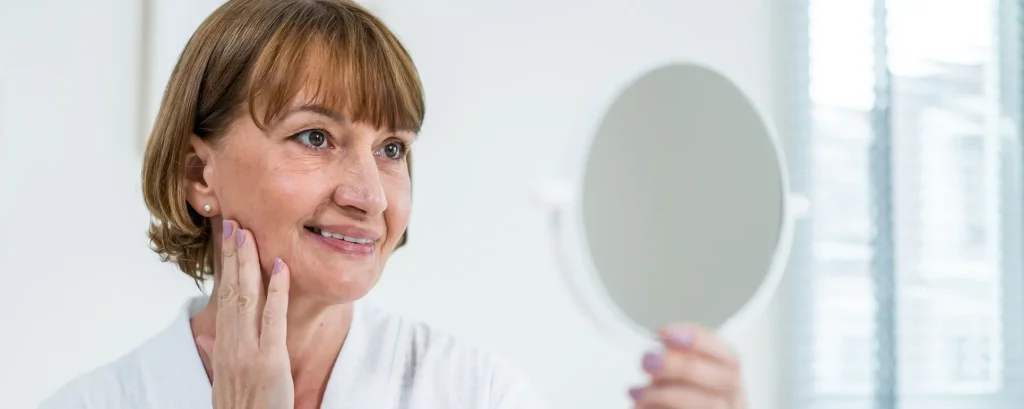
The Connection Between Sleep and Skin Health
The relationship between sleep and skin health is one that warrants a closer examination. During our nightly rest, the body enters a complex cycle of biological repair processes. As the body recuperates, skin cells regenerate and repair mechanisms are activated, establishing a critical link between the amount of sleep we obtain and the overall health of our skin.
One key aspect of this rejuvenating period is the release of growth hormones. Growth hormones play a vital role in tissue growth and muscle development, but their impact extends to skin health as well. A sufficient secretion of these hormones during deep sleep promotes the synthesis of new skin cells and the shedding of older, damaged ones. This continuous cycle not only contributes to a youthful appearance but also aids in healing and recovery from daily environmental stressors like sun exposure and pollution.
Moreover, deep sleep is instrumental in regulating the skin’s natural moisture. Throughout the night, the body secretes moisture-preserving hormones that ensure skin retains its hydration levels. This retention is particularly crucial in varying climates across the United States, where the dry air can strip the skin of its natural oils. When sleep is recurrently compromised, moisture levels drop significantly, resulting in a parched complexion that highlights fine lines and dullness.
In addition to external factors, sleep’s impact on internal health can lead to visible skin transformations. Here are some notable benefits of quality sleep:
- Improved skin texture: Regular restorative sleep helps refine the skin’s texture, leaving it smooth and even.
- Enhanced glow: Sleep triggers the release of melatonin, a hormone known to restore skin’s radiance and reduce hyperpigmentation.
- Reduction in inflammation: Proper sleep can lower inflammation levels in the body, minimizing redness and puffiness.
The significance of sleep extends well beyond these immediate benefits. Chronic sleep deprivation has been tied to the acceleration of skin aging processes. Research indicates that insufficient sleep can lead to a decline in collagen production, resulting in the premature formation of winkles and sagging skin. Additionally, the body’s inflammation response grows more pronounced with fatigue, leading to persistent acne and other skin conditions that many struggle with daily.
Sleep hygiene becomes crucial when considering the skin’s natural regenerative processes. Establishing a bedtime routine that promotes uninterrupted sleep can not only enhance skin health but can also contribute to a more balanced overall well-being. As we delve further into actionable steps for improving sleep quality, it becomes clear that enhancing our nightly restore could be one of the simplest yet most effective strategies for amplifying skin regeneration and preventing aging.
The Influence of Sleep on Skin Regeneration and Aging Prevention
One of the primary factors in skin regeneration is the body’s innate healing process, which is significantly enhanced during sleep. During the deeper stages of sleep, the body experiences increased blood flow to the skin, allowing for effective cell repair and renewal. In fact, studies suggest that individuals who consistently get sufficient sleep may manifest a youthful appearance due to this cellular activity. Moreover, sleep is pivotal for regulating hormones such as cortisol, which, when in excess, can contribute to various skin issues, including inflammation and premature aging.Another key element to consider is the production of collagen, a vital protein that supports skin structure and elasticity. Research indicates that adequate sleep promotes collagen synthesis during the night, which helps to maintain the skin’s firmness and reduce the appearance of fine lines and wrinkles. Without sufficient sleep, collagen production diminishes, leading to a less resilient skin texture.Additionally, sleep deprivation can cause the skin’s barrier function to weaken, making it more susceptible to environmental stressors like pollution and UV rays. This reduction in barrier effectiveness can also hamper the skin’s natural ability to retain moisture, resulting in dryness and dullness. With adequate rest, the skin can better defend itself against these external factors.Furthermore, sleep has been observed to play a critical role in regulating inflammation and mitigating stress. Quality sleep reduces the levels of inflammatory markers in the body, which can otherwise exacerbate skin conditions such as acne, eczema, and psoriasis. The interplay between sleep and stress relief cannot be understated, as heightened stress levels are often linked to skin flare-ups and accelerated aging.In conclusion, prioritizing sleep is not merely a lifestyle change; it is an essential investment in skin health and overall well-being. By understanding the profound influence of sleep on skin regeneration and aging, individuals can adopt better sleep habits and potentially enhance their skin’s appearance and health.
| Advantage | Details |
|---|---|
| Enhanced Cell Regeneration | Deep sleep stages promote blood flow and speed up skin healing. |
| Collagen Boosting | Adequate sleep promotes collagen production, maintaining skin elasticity. |
| Reduced Inflammation | Quality sleep lowers inflammatory markers that affect skin health. |
LEARN MORE: Click here for insights on natural ingredients
The Role of Sleep in Preventing Skin Damage
In addition to enhancing the skin’s healing capabilities during rest, quality sleep plays a significant role in combating the detrimental effects of environmental aggressors. Daily exposure to pollutants, UV rays, and harmful chemicals can lead to oxidative stress, which accelerates skin aging. During the deep phases of sleep, the body actively works to repair this damage, reducing the impact of free radicals that can cause cellular deterioration.
Oxidative stress is linked to premature aging, resulting in collagen breakdown and a loss of skin elasticity. The link between sleep duration and the skin’s ability to recover from such stresses is not merely anecdotal. Numerous studies have demonstrated that individuals who enjoy regular, uninterrupted sleep exhibit a significantly improved ability to fend off oxidative stress compared to their sleep-deprived counterparts. For example, a study published in the Journal of Investigative Dermatology indicated that individuals with chronic sleep deprivation had reduced antioxidant defenses, which are essential for combatting skin aging.
Additionally, sleep affects the circadian rhythm of the skin, regulating processes like oil production and skin barrier function. These cycles are crucial for maintaining skin health. For instance, the natural sebaceous activity in the skin peaks during the night, providing necessary hydration and protection. When sleep is disrupted, this cycle is thrown off balance, potentially leading to conditions such as excess oiliness or dryness, which can aggravate acne and other skin irritations.
Moreover, evidence from dermatological research points toward the relationship between sleep quality and mental health, further influencing skin appearance. Stress and anxiety can lead to increased cortisol production, a stress hormone that contributes to various skin problems, including psoriasis and eczema. Maintaining a healthy sleep schedule can mitigate these effects. Adequate sleep helps regulate the hormonal balance that is essential for both mental and skin health, creating a fortified defense against external factors.
To harness the restorative power of sleep for skin regeneration and aging prevention, establishing strong sleep hygiene practices is paramount. Simple adjustments to your lifestyle can yield transformative effects on your skin health:
- Consistent sleep schedule: Aim to go to bed and wake up at the same time daily to regulate your body’s internal clock.
- Screen time management: Limit exposure to screens at least an hour before bed to minimize blue light interference, enabling a more restful sleep.
- Creating a conducive sleep environment: Ensure your bedroom is dark, cool, and quiet to foster optimal conditions for deep sleep.
- Relaxation techniques: Incorporating practices such as meditation, yoga, or reading can calm the mind, making it easier to drift into a peaceful slumber.
As we delve deeper into the relationship between sleep and skin health, it becomes increasingly evident that prioritizing sleep is more than just a lifestyle choice; it is a vital element of a comprehensive skincare routine, working synergistically with topical treatments and healthy diets to achieve enduring beauty and vitality.
DISCOVER MORE: Click here for essential tips on sun protection tailored to your climate
Conclusion
Ultimately, the profound connection between sleep and skin health cannot be overstated. Quality sleep is not just a luxury; it is an essential component of effective skin regeneration and aging prevention. As we’ve explored, during sleep, the body engages in crucial repair processes that fend off the damaging effects of oxidative stress, restore collagen, and stabilize hormonal levels—each factor intimately tied to maintaining youthful skin. Its vital role in regulating the skin’s circadian rhythms ensures that natural processes, such as oil production and hydration, occur seamlessly, underpinning overall skin health.
Moreover, establishing a consistent sleep routine fortified with good sleep hygiene can transform skin appearance and resilience. The data supporting the necessity of quality sleep is compelling, revealing that those who prioritize sleep boast enhanced antioxidant defenses, mitigating issues such as acne, dryness, and signs of aging. Considering the stressors of modern life, sleep becomes more than a moment of rest; it emerges as a critical countermeasure against the accumulated damage from daily aggressors.
As we navigate our fast-paced lives, it is essential to recognize that investing in sleep is an investment in our skin’s longevity and overall appearance. By prioritizing restful sleep as part of a holistic skincare regimen—alongside a balanced diet and proper skincare products—individuals can unlock the secret to enduring beauty. The journey to radiant, youthful skin starts with one essential question: how well did you sleep last night? Your skin will certainly appreciate the answer.