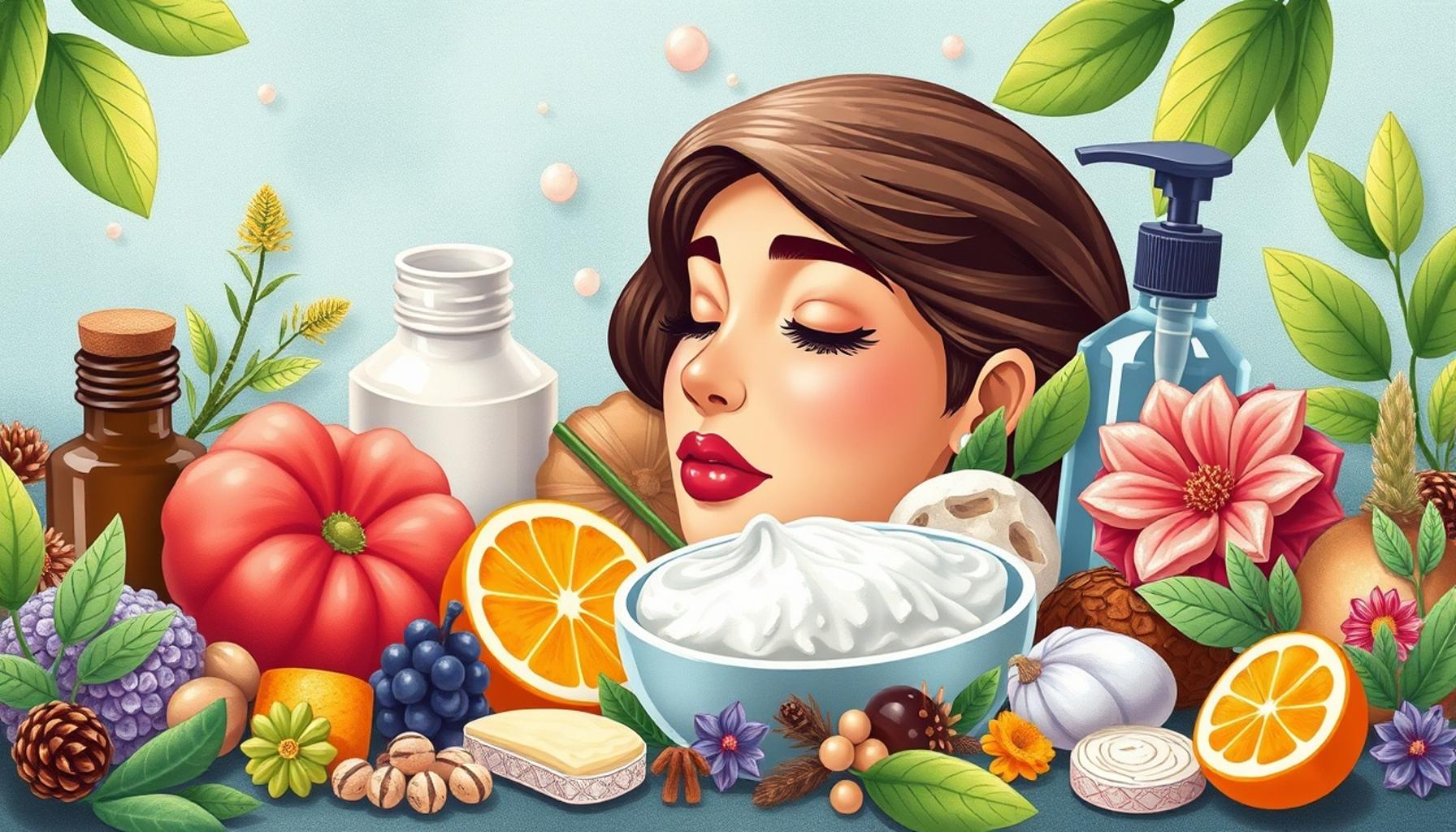
The Environmental Impacts of the Beauty Industry and the Rise of Sustainable Ingredients

The Intersection of Beauty and Sustainability
The beauty industry is often perceived as an oasis of glamour, where products promise to enhance one’s appearance and elevate confidence levels. However, as awareness regarding environmental issues rises, it becomes clear that behind this vibrant facade lies a troubling reality: a significant ecological footprint. Consumers are increasingly vocal about their desire for responsible and sustainable practices, emphasizing the urgent need for the industry to pivot in a more environmentally friendly direction.
Among the myriad of environmental challenges attributed to the beauty sector, three major issues stand out:
- Plastic waste: The beauty industry contributes immensely to the global plastic crisis, with billions of cosmetic containers ending up in landfills and oceans each year. For instance, in 2019, the United States saw over 120 billion units of packaging produced by the cosmetic industry alone, fueling pollution and harming marine life.
- Chemical runoff: Many popular products contain harmful chemicals that, when washed off during use, infiltrate rivers and oceans, posing risks to aquatic wildlife. Ingredients like triclosan and phthalates are known to disrupt hormone systems, adversely affecting ecosystems.
- Resource depletion: The production of beauty products often leads to the over-extraction of natural resources. For example, ingredients such as palm oil can lead to deforestation, significantly altering habitats and increasing carbon emissions.
In light of these pressing concerns, numerous brands are stepping up to implement sustainable practices and incorporate eco-friendly ingredients that not only reduce their environmental impact but also resonate with conscious consumers. Some notable trends illustrating this shift include:
- Biodegradable packaging: More companies are moving away from traditional plastics and opting for biodegradable materials such as sugarcane or recycled paper that decompose more naturally, thereby minimizing landfill contributions. Brands like Lush and Ethique have embraced this approach, showcasing product lines that favor sustainability.
- Plant-based formulations: The trend of using ethically sourced, natural ingredients is on the rise. Products that feature ingredients derived from renewable resources, like plant extracts and essential oils, are gaining popularity. Companies such as Tata Harper and Herbivore Botanicals exemplify this commitment to eco-friendly formulations.
- Transparency: Today’s consumers demand to know more about what they apply on their skin and how it was sourced. Brands are increasingly revealing their production processes, ingredient sourcing, and ethical practices, building trust with consumers. A noteworthy example is Beautycounter, which advocates for stringent regulations in the cosmetics industry.
As consumers, the choices we make in the beauty aisle can significantly influence the industry’s trajectory. By opting for sustainable and ethically produced products, we play a pivotal role in combatting environmental degradation, fostering a healthier planet, and supporting brands that value our shared future. The movement toward sustainable ingredients represents not only a response to consumer demand but also underscores the intrinsic connection between self-care and environmental stewardship.
DISCOVER MORE: Click here to learn how to adapt your skincare routine by region

Understanding the Environmental Costs of Beauty
The environmental impacts of the beauty industry are far-reaching and complex, extending well beyond the glamorous advertisements that adorn our screens. As consumers become increasingly aware of these challenges, it is imperative to delve deeper into the concrete issues at hand, recognizing how they harm our planet. From plastic pollution to harmful chemicals, the beauty sector plays a considerable role in ecological degradation.
The Plastic Paradox
One of the most pressing concerns surrounding the beauty industry is its extensive reliance on single-use plastics. Annually, billions of plastic containers—from shampoo bottles to makeup jars—contribute to a mounting crisis of plastic waste. In the U.S. alone, an estimated 120 billion units of packaging are produced by the beauty sector each year. A staggering percentage of this packaging is discarded, with much of it ending up in landfills and oceans. Studies reveal that plastic waste significantly harms marine life; species can ingest or become entangled in the debris, leading to serious injuries or even extinction.
The Chemical Dilemma
In addition to plastic waste, the beauty industry is notorious for its use of hazardous chemicals. Many popular cosmetic products contain synthetic ingredients that, when washed away, seep into the water supply and pollute our freshwater sources. For instance, chemicals like triclosan and phthalates have been identified as endocrine disruptors, posing risks not only to human health but also to aquatic ecosystems. Research indicates that these contaminants may lead to reproductive and developmental problems in wildlife, raising a red flag for biodiversity. Consequently, consumers increasingly seek alternatives that prioritize safety for both the planet and their personal health.
Resource Depletion and Deforestation
Another alarming aspect of the beauty industry’s environmental footprint is its consumption of natural resources. The quest for popular ingredients—such as palm oil and specific plant extracts—has triggered widespread deforestation and habitat destruction. The demand for palm oil, in particular, has resulted in the destruction of substantial swathes of rainforest, which serves as a vital habitat for countless species and plays a critical role in carbon sequestration. The environmental and ethical concerns surrounding unsustainable sourcing practices have prompted consumers to demand transparency in ingredient origins, leading many brands to reevaluate their sourcing strategies.
As the beauty industry grapples with these multifaceted challenges, the response from brands demonstrates a growing commitment to reform. The drive toward sustainable practices is not merely a trend; it is a necessary evolution in an industry under scrutiny. From adopting biodegradable packaging to formulating products with natural, ethically-sourced ingredients, the beauty sector is beginning to align more closely with eco-friendly principles. The movement reflects a broader consumer consciousness that seeks to balance personal beauty routines with a responsibility to the planet.
This seismic shift underscores an important reality: sustainable ingredients are not just a trend—they represent a profound reckoning with the reality of how our choices impact the environment. By prioritizing sustainability, companies can cater to a discerning consumer base while also mitigating their ecological footprints. In the end, the choice of products we apply to our skin has the potential to catalyze change within the industry and foster a more sustainable future for all.
As the beauty industry evolves, sustainable ingredients are gaining prominence, driven by a growing awareness of their environmental impacts. Traditional beauty products often rely on synthetic chemicals and non-renewable resources, resulting in pollution and depletion of natural habitats. In contrast, sustainable ingredients prioritize eco-friendly practices, offering benefits not only for consumers but also for the planet.The shift towards sustainability is not merely a trend; it reflects a deeper commitment to the health of the environment. Brands are now sourcing ingredients like plant-based oils, which are biodegradable and less harmful to aquatic ecosystems. This shift can reduce chemical runoff into waterways, a pressing concern for preserving biodiversity. Furthermore, many companies are adopting transparent sourcing practices, allowing consumers to make informed choices about the products they support.Adopting sustainable ingredients also addresses ethical concerns surrounding labor practices. Brands that commit to sustainability often engage in fair-trade practices, ensuring that farmers receive equitable compensation while promoting biodiversity. This holistic approach leads to a more responsible beauty industry, encouraging consumers to consider not just what they apply to their skin but how those products impact the world around them.Additionally, the use of sustainable materials in packaging further complements the overall shift. Initiatives to utilize recyclable or biodegradable packaging significantly contribute to waste reduction in landfills, where conventional beauty product containers frequently end up. As consumers become increasingly environmentally conscious, the demand for sustainable beauty products grows, setting a new standard for the industry.Through these practices, the beauty industry is redefining its role in society by prioritizing the health of the planet alongside aesthetic appeal. This burgeoning movement not only invites consumers to rethink their beauty routines but also paves the way for a more sustainable future in the industry, urging us all to consider the broader implications of our beauty choices.
LEARN MORE: Click here to discover natural solutions for aging.
Turning to Sustainable Ingredients
As the beauty industry acknowledges its environmental impact, the rise of sustainable ingredients has emerged as a beacon of hope. Brands are increasingly embracing natural, organic, and ethically-sourced ingredients in their formulations, responding to a growing consumer demand for products that not only enhance beauty but also protect our planet. This shift towards sustainability is not only about reducing harm but also about fostering a deeper connection with nature.
The Power of Plant-Based Ingredients
One of the most significant trends within the beauty industry has been the incorporation of plant-based ingredients. Ingredients such as aloe vera, argan oil, and sheabutter are not only effective but also renewable and biodegradable. For example, aloe vera is known for its moisturizing properties and can be grown in arid conditions without the need for excessive water consumption, making it an eco-friendly choice. Brands highlighting the benefits of these ingredients are gaining traction, as consumers become more knowledgeable about their environmental contributions.
The Role of Certification and Transparency
Moreover, the demand for transparency in ingredient sourcing has fueled the growth of certification programs. Labels such as USDA Organic, Fair Trade, and Leaping Bunny ensure that the ingredients used are obtained sustainably and ethically. These certifications provide consumers with confidence that the products they choose align with their environmental values. Numerous beauty companies are adopting these certifications to build trust with their clientele while gaining a competitive edge in the marketplace.
Innovative Manufacturing Practices
Beyond ingredient sourcing, the entire manufacturing process is being scrutinized for its environmental impact. Companies are increasingly adopting practices designed to minimize energy consumption and waste. For instance, zero-waste production techniques are on the rise, where brands aim to produce their products with little to no waste. Initiatives include using recycled water, minimizing energy usage in production, and even upcycling ingredient by-products to create new products. By innovating in these areas, companies not only reduce their environmental footprint but also pave the way for a new era in beauty manufacturing.
Consumer Empowerment and Education
Equally important to this burgeoning movement is the role of consumer education. As marketing becomes more transparent, brands are placing emphasis on educating their customers about the benefits of sustainable ingredients and practices. Platforms like social media serve as powerful tools, allowing brands to communicate their values and create communities that advocate for sustainability. Consumers are encouraged to scrutinize labels and seek out products that adhere to sustainable practices, effectively pushing brands to adapt or risk obsolescence.
With millions of consumers in the United States actively choosing products based on their environmental impact, the importance of cultivating sustainable habits cannot be overstated. The beauty industry is not isolated from the broader movement toward sustainability; instead, it serves as a case study of how consumer demand can influence change and drive innovation. This intricate relationship between eco-conscious consumers and beauty brands is reshaping the landscape, paving the way for a future where beauty can coexist harmoniously with the environment.
DISCOVER MORE: Click here to dive deeper
Conclusion: A Greener Future for Beauty
The environmental impacts of the beauty industry have become a pressing concern, with the sector playing a substantial role in pollution and resource depletion. Fortunately, the rise of sustainable ingredients offers a promising pathway forward. The adoption of natural and ethically-sourced components not only meets consumer demand for greener products but also creates an opportunity for brands to redefine their missions. As more companies embrace plant-based ingredients like aloe vera and argan oil, they are not only improving their ecological footprints but also catering to a growing market of environmentally-conscious consumers.
Transparency and certifications, such as USDA Organic and Fair Trade, further empower consumers to make informed choices. These initiatives are complemented by innovative manufacturing practices that prioritize sustainability, with many brands implementing zero-waste techniques and energy-efficient processes. Moreover, the emphasis on consumer education through digital platforms fosters a more knowledgeable public, encouraging them to seek out brands committed to sustainable practices.
As the beauty industry continues to evolve, it holds the potential to lead by example in the broader conversation about sustainability. By placing environmental values at the forefront, the sector can not only enhance its profitability but also contribute to the global movement toward a more sustainable future. Embracing this shift is not just a trend; it is becoming a necessity in a world where consumers increasingly demand accountability and a commitment to preserving our planet. The question remains: will the beauty industry fully seize this moment to transform into a model of sustainability that others aspire to follow?