
The best natural ingredients for treating acne

Unveiling the Power of Nature for Acne Relief
Acne is an age-old skin condition that plagues individuals across various age groups, often leading to a decline in self-esteem and emotional well-being. While many traditional medications and treatments can effectively address acne, they may also come with potential side effects that can be harsh on the skin. Increasingly, individuals are looking toward natural ingredients as gentler alternatives that offer both efficacy and nourishment.
Natural remedies are not just emerging trends; they are deeply rooted in holistic practices that appreciate the body’s ability to heal itself. A spotlight on a few key ingredients reveals their potent capabilities:
- Tea Tree Oil: This essential oil, extracted from the leaves of the Melaleuca alternifolia tree, is globally acknowledged for its strong antibacterial properties. Studies have shown that when applied topically, tea tree oil can reduce inflammatory lesions and acne significantly, often proving as effective as some conventional anti-acne medications. To use, dilute a few drops in a carrier oil and apply directly to the affected areas, ensuring you test it first on a small skin patch.
- Aloe Vera: Known as a miracle plant, aloe vera is not just a soothing agent for sunburns; it also possesses remarkable healing properties for acne-prone skin. Its gel-like consistency hydrates without clogging pores while its anti-inflammatory effects help soothe redness and irritation. Simply slice an aloe leaf, extract the gel, and apply it to your skin as a mask for a refreshing treat.
- Honey: This sweet nectar is more than just a pantry staple. Honey boasts impressive humectant qualities, drawing moisture to the skin while its natural antimicrobial properties help combat acne-causing bacteria. Manuka honey, in particular, is known for its unique healing properties. Apply a thin layer of honey on your face, leave it on for 20 minutes, and rinse to unlock a radiant complexion.
- Green Tea: Sipping green tea can benefit your health, but applying it topically brings its benefits to your skin. Rich in polyphenols and antioxidants, green tea helps reduce sebum production in the skin, which is a primary factor in acne development. Brew a cup, allow it to cool, and use it as a facial rinse or mist for a refreshing skincare boost.
The power of these natural ingredients extends beyond simple acne management; they possess the ability to enhance overall skin health. Each component offers unique benefits that can be customized to fit an individual’s skincare needs. As awareness of these natural options continues to grow, more individuals are embracing holistic skincare routines designed to support rather than strip the skin of its natural barrier.
In the upcoming sections, we will explore these ingredients in greater depth, discussing their specific benefits, detailed application methods, and potential combinations that can maximize their effectiveness in your daily regimen. Join us as we venture into the world of nature’s best-kept secrets for achieving clear, healthy skin.
DISCOVER MORE: Click here to learn how nutrition impacts your skin health
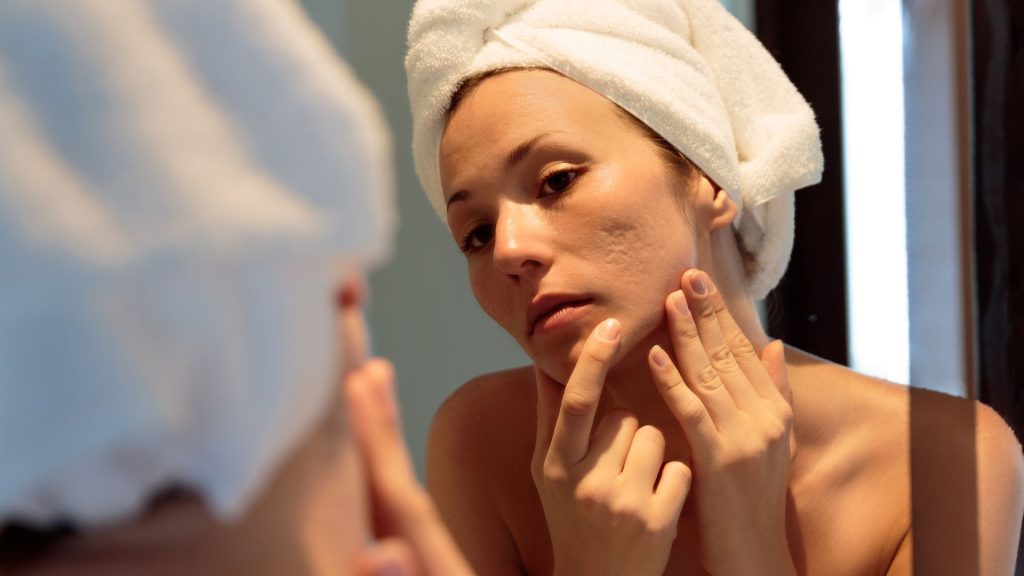
Transformative Benefits of Natural Ingredients for Acne Management
Transitioning to natural remedies for acne treatment invites individuals not only into the world of holistic skincare but also into the domain of enhanced skin health. Each natural ingredient mentioned so far embodies a unique approach to combat acne while nurturing the skin concurrently. Let’s dive deeper into these powerful solutions and discover additional options that complement your journey toward clearer skin.
Witch Hazel: An age-old remedy, witch hazel is derived from the bark and leaves of the Hamamelis virginiana shrub. It’s renowned for its astringent properties, which help tighten skin, minimize the appearance of pores, and reduce inflammation. With its rich tannin content, witch hazel can effectively reduce excess oil, making it an excellent choice for oily and acne-prone skin. To use, apply witch hazel extract directly to the skin with a cotton pad after cleansing, elevating your skincare game to new heights.
Jojoba Oil: Despite being an oil, jojoba oil is non-comedogenic, meaning it won’t clog pores. The composition of jojoba oil closely resembles the natural oils produced by the skin, allowing it to regulate oil production effectively. Its anti-inflammatory properties can help soothe irritated skin and reduce the severity of acne. Incorporating a few drops of jojoba oil into your skincare routine, either as a moisturizer or in conjunction with other oils, can balance your skin’s oil levels and enhance hydration.
- Chamomile: This beautifully fragrant herb does far more than make a calming tea. Chamomile is rich in antioxidants and has soothing properties that aid in reducing inflammation and redness associated with acne flare-ups. Utilizing chamomile tea as a facial rinse or ice cube can deliver cooling relief and alleviate irritation.
- Turmeric: Known for its anti-inflammatory and antibacterial effects, turmeric is a powerhouse herb when it comes to treating acne. Its key ingredient, curcumin, helps prevent acne breakouts and promotes healing. A simple turmeric paste can be made by mixing turmeric powder with yogurt or honey to create a face mask that can be applied for about 20 minutes.
- Lemon Juice: With its high vitamin C content, lemon juice can brighten skin and fight acne due to its antibacterial properties. However, it’s essential to use it cautiously, as lemon juice can make the skin more sensitive to sun exposure. Diluting lemon juice with water before applying it to blemishes can help manage its potency while reaping its benefits.
The diverse array of natural ingredients available for acne treatment doesn’t just offer localized relief; they work toward fostering overall skin vitality. The ability of these substances to enhance and balance the skin’s natural functions speaks volumes about their necessity in daily skincare regimes. With more individuals opting for green alternatives, understanding these ingredients will empower consumers to take control of their skincare journey.
In our upcoming segments, we will continue exploring these amazing natural compounds, the scientific basis behind their effectiveness, and user-friendly methods of integrating them into daily routines. Prepare yourself for a deeper understanding of how nature can truly support your quest for healthy, clear skin.
The Best Natural Ingredients for Treating Acne
When it comes to treating acne, natural ingredients offer a holistic approach that not only targets the root cause but also minimizes irritation and promotes skin health. Many individuals seek alternatives to harsh chemicals, finding effective results through nature’s remedies. Below, we explore some of the best natural ingredients known for their acne-fighting capabilities.
| Natural Ingredient | Benefits |
|---|---|
| Tea Tree Oil | Renowned for its antimicrobial properties, it effectively reduces acne-causing bacteria and inflammation. |
| Aloe Vera | Known for its soothing effect, it helps to heal skin and reduces redness while providing hydration. |
| Honey | Its natural antibacterial and anti-inflammatory attributes make it an excellent ingredient for acne prevention. |
| Willow Bark | Rich in salicylic acid, it gently exfoliates the skin and clears clogged pores, making it a natural alternative to synthetic treatments. |
Utilizing natural ingredients offers a multifaceted approach to acne treatment. These ingredients not only help to target the triggers of acne but also provide additional benefits such as healing and soothing irritated skin. As interest in organic solutions grows, discovering these natural remedies may lead to better skin health overall. Moreover, they tend to integrate seamlessly into various skincare routines, making them convenient for anyone looking to enhance their acne management strategy.
The beauty of nature is vast, and exploring its bounty for skincare solutions can yield impressive results. From essential oils to herbal extracts, each ingredient holds specific properties that can cater to individual skin types and concerns. With continued research and understanding, one can effectively navigate the world of natural skincare ingredients for acne treatment.
EXPLORE MORE: Click here to discover the benefits of natural ingredients in skin aging prevention
Additional Natural Allies in the Battle Against Acne
As the quest for effective, natural acne treatments continues, several more ingredients stand out due to their unique properties and proven benefits. Embracing these natural solutions not only aids in managing acne but also promotes healthier skin overall. Let’s unveil more remarkable natural ingredients that have been celebrated for their acne-fighting capabilities.
Tea Tree Oil: A potent essential oil, tea tree oil is renowned for its remarkable antibacterial, antifungal, and anti-inflammatory properties. Research has shown that tea tree oil can be as effective as benzoyl peroxide in reducing acne lesions without the side effects associated with traditional acne medications. When using tea tree oil, it is crucial to dilute it with a carrier oil, such as jojoba or coconut oil, before applying it to the skin to prevent irritation. This natural remedy can be incorporated into your evening skincare routine for optimal results.
Honey: Nature’s sweet nectar, honey is more than just a delicious addition to tea; it boasts extraordinary healing properties. Particularly, raw honey possesses anti-inflammatory and antimicrobial qualities that are highly beneficial for acne treatment. Its humectant nature also ensures that skin retains moisture, making it an excellent option for those struggling with acne-dryness. A simple face mask made by mixing raw honey with a few drops of tea tree oil can create a soothing and effective treatment. Applying it for 20 to 30 minutes allows the skin to absorb the nourishment while combating acne.
- Aloe Vera: Often referred to as the “miracle plant,” aloe vera is a staple in skincare due to its soothing and healing properties. Rich in vitamins, enzymes, and amino acids, aloe vera can help reduce redness and inflammation associated with acne, while also promoting skin repair and hydration. Utilizing fresh aloe vera gel directly from the plant or using a product that lists it as a primary ingredient can provide significant relief and visibly improve skin texture.
- Apple Cider Vinegar: Known for its myriad of health benefits, apple cider vinegar is also a potent natural remedy for acne. Its antibacterial properties can help kill acne-causing bacteria, while its acidic nature aids in balancing the skin’s pH levels. To use apple cider vinegar, dilute it with equal parts water and apply it as a toner after cleansing. However, users should perform a patch test first, as some may experience sensitivity to this strong ingredient.
- Green Tea: Packed with antioxidants, green tea has gained recognition not only for its health benefits when consumed but also for its positive effects on skin health. The anti-inflammatory properties of green tea can significantly reduce acne and its associated redness. A post-cleansing treatment of applying cooled green tea or using products containing green tea extract can offer a refreshing solution for acne-prone skin.
The wealth of natural ingredients available for combating acne proves that nature has bestowed us with an arsenal of tools to treat this common affliction. Delving into each ingredient’s healing properties encourages a mindful approach to skincare, prompting many to reevaluate their routines. By integrating a combination of these natural powerhouses, individuals can achieve not only clearer skin but improved skin health, echoing the sentiment of wellness and personalization in skincare regimens.
As we continue our exploration, we will uncover the science behind these amazing natural compounds and practical tips for incorporating them into your daily skincare routine. Prepare to unlock the secrets of nature’s bounty in your endeavor to combat acne effectively.
DISCOVER MORE: Click here to learn about the value of natural ingredients
Conclusion
In the pursuit of clear skin, the exploration of natural ingredients for treating acne provides an insightful and enriching perspective on skincare. Through the shared benefits of tea tree oil, honey, aloe vera, apple cider vinegar, and green tea, we see that the solution to acne is not solely hinged on pharmaceutical interventions. Instead, nature offers us a plethora of options that are not only effective but also gentle on the skin.
Each of these ingredients comes with a variety of healing properties, such as antibacterial, anti-inflammatory, and hydrating benefits that can significantly enhance skin health while targeting the root causes of acne. The beauty of using natural remedies lies in their ability to create a holistic skincare routine that supports overall skin well-being, rather than just focusing on the symptoms of acne.
As consumers become more conscious of the ingredients in their skincare products, the demand for natural acne treatments continues to rise. It’s essential to remember that while these ingredients can be highly effective, individual results may vary. Therefore, performing patch tests and consulting with a dermatologist or skincare professional is advisable to tailor treatments to specific skin types and conditions.
By integrating these natural heroes into your daily regimen and remaining mindful of their unique properties, you can embark on a transformative journey toward clearer, healthier skin. The secrets of nature hold the potential to empower your skincare approach—unlocking a world where you can treat acne while nurturing your skin with care and love.