
Sun Protection in Different Climates: How to Adjust Your Skincare Routine by Region
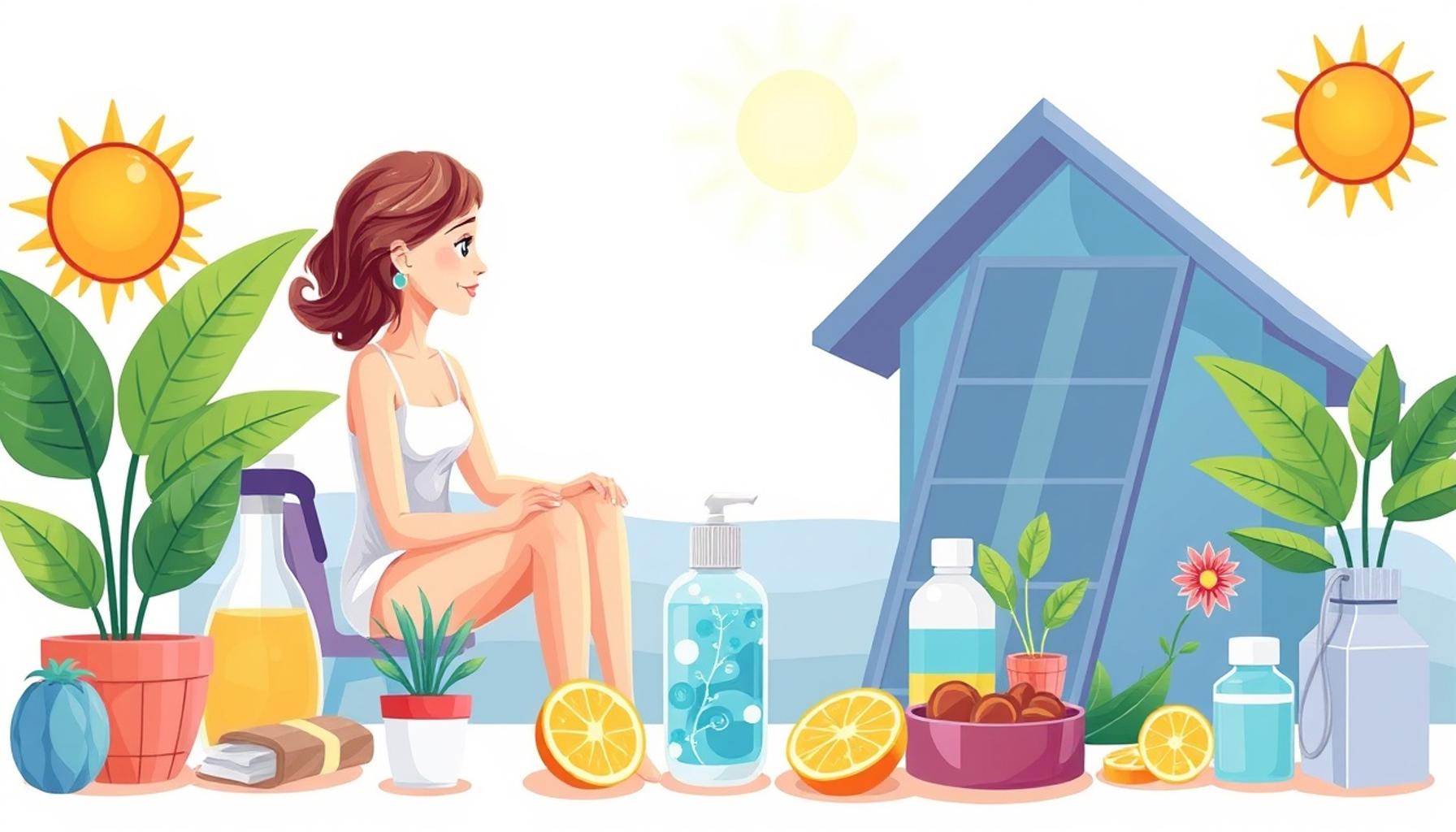
Understanding Sun Protection Across Regions
In the quest for healthy skin, understanding the importance of sun protection cannot be overstated. However, the effectiveness of your skincare routine can vary significantly based on the climate you inhabit. Different regions face unique environmental challenges that require tailored approaches to safeguard your skin against harmful UV rays.
Key Climate Factors
When adapting your skincare routine, several climate factors must be considered:
- Altitude: Higher altitudes receive more intense UV exposure due to thinner atmospheres. For instance, if you live near the Rockies in Colorado, not only does the higher elevation increase your UV exposure, but snow can also reflect sunlight, intensifying its effects. It is vital to apply SPF 30 or higher, even if it feels cool outside.
- Humidity: In humid regions, such as Florida or Louisiana, lightweight, non-greasy sunscreens are ideal to avoid clogged pores and breakouts. Look for products labeled as “oil-free” and “non-comedogenic” to keep your skin balanced and prevent acne, which can be exacerbated by sweat and humidity.
- Seasonal Variation: States like New York experience significant seasonal variation, requiring different approaches throughout the year. Winter months can bring UV radiation from snow glare, while summer demands more frequent reapplication of sunscreen due to increased outdoor activities. This means adapting your sunscreen from a thicker, cream-based formula in the winter to a lighter gel or spray for the warmer months.
Regardless of where you live, being attuned to your environmental conditions is crucial. Different regions in the United States—from the sun-soaked beaches of California to the dry deserts of Arizona—demonstrate that even slight differences in climate can influence how you should protect your skin. Understanding localized UV indexes can empower you to make informed decisions about your sun protection.
Why Adapt Your Routine?
Customizing your skincare routine is not just a matter of preference; it’s essential for protecting your skin from harmful effects of the sun. Consider the following advantages of an adaptive approach:
- Improved skin health and appearance, as different climates call for diverse moisturizing and protective strategies.
- Reduced risk of sunburn and long-term skin damage, such as melanoma, a form of skin cancer increasingly linked to UV exposure.
- Increased prevention against premature aging, highlighted by the fact that UV exposure can lead to wrinkles, fine lines, and age spots much earlier than one might expect.
This exploration of sun protection in various climates not only enhances your understanding but also equips you with the necessary tools to maintain gorgeous, healthy skin year-round. It’s essential to stay informed about the specific needs dictated by your environment, allowing you to enjoy the sun while keeping your skin safe and radiant. Whether you’re hiking in the mountains or lounging at the beach, the right skincare regimen will empower you to embrace every moment under the sun responsibly.
DISCOVER MORE: Click here to learn the truth about natural ingredients
Tailoring Your Skincare Routine: A Regional Approach
When it comes to sun protection, understanding your specific geographic location can significantly influence how you care for your skin. Each climate presents unique challenges that demand specialized approaches to effectively shield your skin from harmful UV exposure. As you embark on your skincare journey, it’s essential to consider how different climates impact both sun intensity and moisture levels, which, in turn, directly affect your choice of products.
Climate Considerations: A Closer Look
Let’s break down how different climates across the United States can impact your sun protection needs:
- Tropical Climates: States like Hawaii and southern Florida have high humidity levels and abundant sunshine. In such regions, a broad-spectrum sunscreen with at least SPF 30 is vital to combat the intense UV rays. Opting for water-resistant formulas can also help maintain protection during beach or pool activities. Consider adding a daily serum with antioxidants to combat free radicals generated by sun exposure.
- Desert Regions: Living in places like Arizona or Nevada means dealing with extremely dry conditions and heightened UV levels. Here, hydrating your skin becomes paramount. Look for sunscreens that contain moisturizing agents like hyaluronic acid, which can help your skin retain moisture. Cream-based formulas may also provide better protection under scorching sun conditions, helping to prevent parched skin.
- Coastal Areas: Coastal states such as California and the Carolinas often experience a mix of sun and wind. The reflective glare from the ocean can heighten UV exposure, so it’s crucial to apply a broad-spectrum sunscreen generously. Lightweight sunscreen sprays may offer convenience for reapplication during outdoor activities. Additionally, consider incorporating a nourishing after-sun lotion or gel to soothe and replenish any moisture lost from salty air.
Recognizing the importance of customizing your skincare routine to local climate conditions not only enhances the effectiveness of sun protection but also promotes overall skin health. Whether it’s summertime on the beach or wintertime in the mountains, ensuring that your skin receives the right type of care will make a significant difference in its resilience against the sun’s damaging rays. Protecting your skin is an evolving journey, and understanding the atmospheric nuances of your region is the first step in that journey.
Embracing the Benefits of Adaptation
Adapting your skincare routine to your climate not only supports your skin’s health but can also dramatically reduce the risk of sun-related issues. Here are key benefits of customizing based on your surroundings:
- Enhanced protection, minimizing the chances of sunburn and long-term repercussions like skin diseases.
- Improved hydration, particularly in dry or windy locations, helping to maintain a healthy and youthful complexion.
- Effective management of breakouts in humid climates by using lightweight, non-comedogenic products.
By acknowledging the specific challenges presented by your environmental factors, you can take proactive steps toward maintaining beautiful and resilient skin, equipped with the right knowledge to enjoy every sunny moment while prioritizing protection.
Understanding the Impact of Climate on Skin Protection
When considering sun protection, it is crucial to recognize how drastically different climates can influence your skin’s needs. Regions with high humidity, like tropical areas, may require lighter, oil-free sunscreens that won’t clog pores, helping to prevent acne breakouts. On the other hand, dry, arid climates can cause skin to lose moisture more rapidly, necessitating thicker, moisturizing sunscreens that provide not only protection but also hydration.
Adaptation Strategies
In tropical climates, daily routines should incorporate broad-spectrum sunscreens with at least SPF 30, applied generously and re-applied every two hours, especially after swimming or sweating. Pairing your sunscreen with a lightweight, hydrating moisturizer can help maintain skin balance in the humid heat.Conversely, if you’re situated in desert regions, a moisturizing sunblock is essential not just for protection but for skin health. Look for formulations that include nourishing ingredients like hyaluronic acid and antioxidants, which can counteract the drying effects of the sun and wind. A regular application of these products, along with drinking plenty of water, helps to keep the skin barrier intact.
Seasonal Variations
Keep in mind that even within the same region, seasons can drastically alter your skincare routine. In colder climates, even during winter months, up to 80% of UV rays can penetrate through clouds. Thus, using a broad-spectrum sunscreen is necessary to protect your skin. Opt for creamier formulations that provide barrier support against the drying cold, while ensuring to reapply throughout the day, especially if you are outdoors for extended periods.
Emphasizing Individual Skin Needs
It’s essential to consider your individual skin type when adjusting your sun protection. Sensitive skin may react negatively to some ingredients found in sunscreens, so exploring mineral-based options could alleviate these issues. Consultation with a dermatologist can be beneficial in finding personalized solutions tailored to both your skin’s needs and the climate you are exposed to.As this nuanced approach shows, understanding sun protection across different climates is vital for maintaining healthy skin. Nurturing your skin with the right products and knowledge can lead to long-term benefits, shielding it from the detrimental effects of UV damage. As you explore the implications of climate on your skincare routine, rest assured that the right adjustments can enhance both the effectiveness of your sun protection and the overall health of your skin.
DISCOVER MORE: Click here to learn about the latest trends in organic cosmetics
Seasonal Shifts: Adjusting Your Routine Throughout the Year
While geographic location is a crucial factor in determining your sun protection strategy, seasonal changes also play a pivotal role in adjusting your skincare routine. Different times of the year can bring varying weather conditions that directly influence UV radiation levels and skin hydration needs.
Winter Sun and Skin Care: Don’t Let Your Guard Down
In many regions, sun exposure can be deceiving during the winter months. The angle of the sun coupled with the reflective properties of snow means that even when temperatures drop, harmful UV rays can still pose a significant risk. For example, in mountainous areas like Colorado, skiing and snowboarding can expose individuals to up to 80% more UV radiation due to altitude and reflection. Protecting your skin in these conditions requires a robust skincare routine.
- Broader Spectrum Sunscreens: Opt for a broad-spectrum sunscreen with at least SPF 30, applied liberally before heading outdoors. Pay special attention to areas often overlooked, such as the ears and the back of the neck.
- Moisturizing Creams: Choose thicker cream-based moisturizers that can combat dryness caused by cold air and indoor heating systems, which tend to strip moisture from the skin.
- Healing Ointments: Consider using healing ointments on exposed skin to protect against windburn and chapping, particularly for those engaging in outdoor sports.
Spring and Fall: Transitional Strategies
During spring and fall, UV levels can be surprisingly high, often catching individuals off guard. These transitional periods often bring fluctuating temperatures, which can impact your skin’s hydration levels and overall health.
- Layering Products: Introduce lightweight, layerable sunscreens to your routine. Gel-based or serum sunscreens can provide protection without the heaviness of cream formulas, allowing for comfortable wear as the weather warms up.
- Exfoliation: Seasonal changes can lead to dead skin buildup. Incorporate gentle exfoliants to keep the skin smooth and receptive to hydrating products and sunscreens.
- Antioxidant Serums: Integrate antioxidant-rich serums into your daily routine. Ingredients such as vitamin C not only help with free radical damage but also enhance the effectiveness of your sunscreen when applied underneath.
Summer Essentials: Keeping Cool and Protected
Summer presents its unique set of challenges, particularly in regions known for extreme heat and humidity. As temperatures soar, maintaining an effective sun protection regimen becomes crucial.
- Broad-Spectrum Protection: Prioritize using a high SPF, broad-spectrum sunscreen that is resistant to water and sweat, especially for outdoor activities. SPF 50 is recommended during peak sun hours.
- Reapplication Is Key: Regular reapplication is essential. Keep a travel-sized sunscreen in your bag for easy access and reapply every two hours, or more frequently after swimming or sweating.
- Protective Clothing: Incorporate UPF-rated clothing and wide-brimmed hats into your summer wardrobe for added protection. This is particularly important for individuals spending prolonged periods outdoors.
Understanding and adjusting your skincare regimen according to seasonal changes will not only bolster your sun protection efforts but also contribute to the overall health and vitality of your skin. The key lies in being proactive and responsive to the environmental demands you face throughout the year.
DISCOVER MORE: Click here to learn about the importance of transparency in labeling
Conclusion: Embracing Sun Safety Year-Round
As we have explored, adapting your sun protection strategies to the specific conditions of your climate and seasonal changes is essential for maintaining healthy skin. Whether you’re enjoying the bright sun in Florida, navigating the snowy slopes of Colorado, or experiencing the fluctuating temperatures of the Pacific Northwest, your skincare routine should be as dynamic as your environment.
It’s vital to remember that UV rays can harm your skin, regardless of the season. Therefore, incorporating a year-round skincare regimen—from broad-spectrum sunscreens to hydrating moisturizers—will help you combat the damaging effects of the sun effectively. Research indicates that consistent sun protection can significantly reduce the risk of skin cancer and premature aging, making it a worthwhile investment in your health and beauty regimen.
Additionally, consider the local resources available to you. Many regions boast skincare products specifically designed to meet the unique challenges presented by locality and climate. Don’t hesitate to seek advice from dermatologists who can provide insights tailored to your lifestyle and environment.
In conclusion, staying informed and proactive about your sun protection efforts is not merely an option; it’s a necessity to ensure your skin remains youthful and resilient. So, adjust your routine, embrace the season, and let sun safety be an integral part of your daily life, no matter where you are.