
Natural Sun Protectors: Effectiveness and Sustainable Options for Your Beauty Routine

The Rise of Natural Sun Protectors
With growing awareness about skin health and environmental sustainability, consumers are increasingly seeking alternatives to conventional sun protection products. The debate around the harmful effects of chemical sunscreens has spurred the demand for sustainable sun protectors, prompting many to turn to nature-based solutions that promise effective shielding against harmful UV rays while being kinder to the planet.
Natural sun protectors, often formulated with mineral-based ingredients such as zinc oxide and titanium dioxide, offer several advantages. These minerals work by sitting on the skin’s surface and physically deflecting UV radiation, providing broad-spectrum protection without penetrating the skin. For example, products containing these ingredients have been shown to be effective in preventing sunburn and skin damage while minimizing the risk of irritation often associated with chemical sunscreen agents.
Moreover, many of these natural options are devoid of harmful chemicals, such as parabens and synthetic fragrances, ensuring not only safer application for users but also a reduced ecological footprint. The shift towards these products is not just about personal health but also about nurturing the environment; avoiding harsh chemicals helps protect marine life and ecosystems, an important consideration as many sunscreens have been linked to coral reef damage.
Performance vs. Traditional Sunscreens
However, a pressing question remains: how do these natural products compare in performance to traditional sunscreens? While some critics argue that natural sun protectors may require more frequent reapplication due to their physical nature, studies have indicated that when applied adequately, they are just as effective as their chemical counterparts. Interestingly, consumer reports often highlight that many users prefer the feel of natural sunscreens, which tend to leave less residue compared to conventional creams.
In addition to performance, the growth of sustainable sun protection options is notable, with brands adopting eco-friendly packaging to mitigate waste and environmental damage. This includes using recycled materials or biodegradable components that align with a zero-waste philosophy. Furthermore, many companies prioritize sourcing their ingredients from organic farms, ensuring a lower carbon footprint through responsible agricultural practices. Supporting brands that engage in fair trade practices is also a trend among conscious consumers, promoting ethical treatment of farmers and workers worldwide.
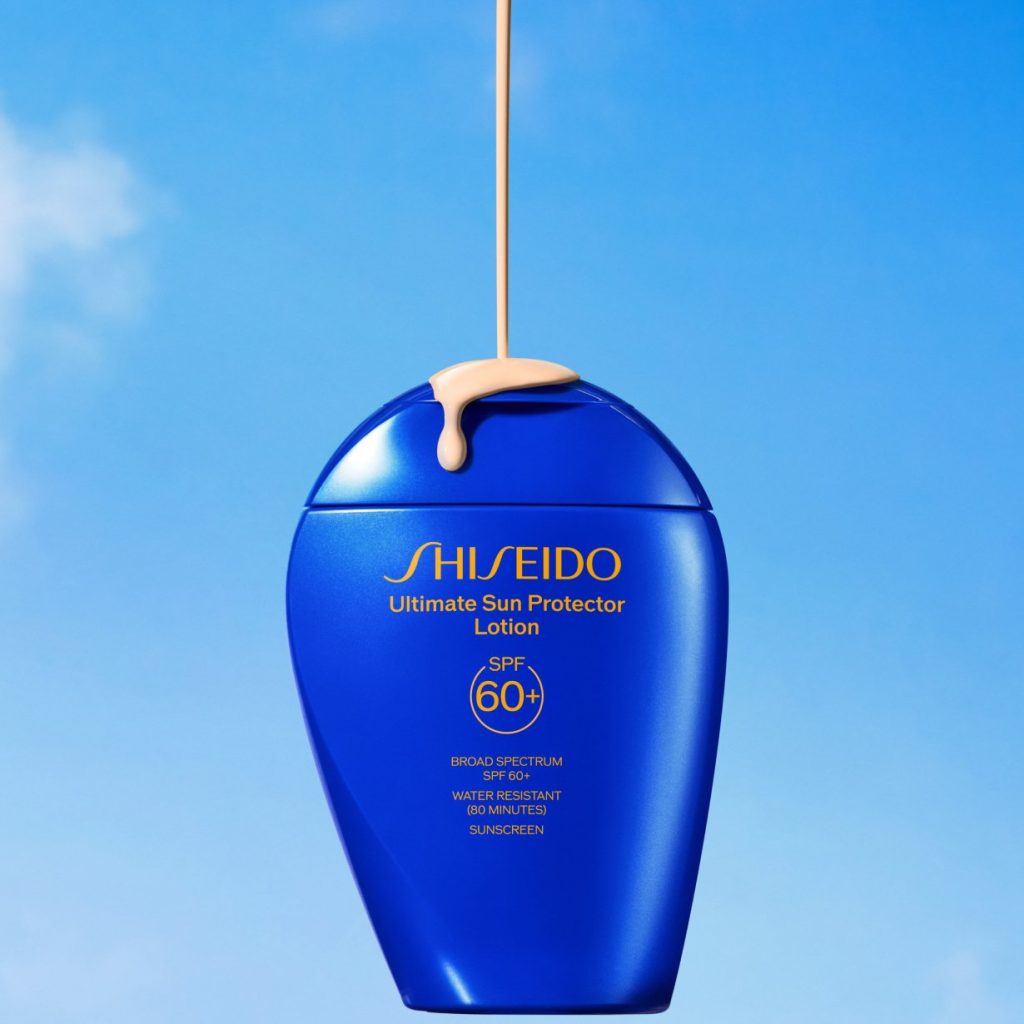
Understanding both the effectiveness and sustainability of these natural alternatives is paramount for today’s consumers. As researchers and brands continue to innovate within this sphere, the range of options will likely expand, catering to a variety of skin types and preferences. Join us as we explore the best choices for your skin and the planet, ensuring that your sun protection routine is not only effective but also eco-conscious.
DISCOVER MORE: Click here to learn how makeup can affect your skin
Understanding Natural Sun Protectors
As consumers become increasingly discerning about what they apply to their skin, the quest for truly effective and environmentally friendly options has led to a surge in the popularity of natural sun protectors. Unlike chemical sunscreens that absorb UV radiation, these natural alternatives work by forming a physical barrier on the skin using minerals, thus safeguarding against harmful rays effectively. Key ingredients such as zinc oxide and titanium dioxide have been gaining traction due to their reputation for being non-irritating while offering substantial UVA and UVB protection.
Experts suggest that opting for mineral-based products can not only be better for sensitive skin types but also provide longer-lasting protection. The reason behind this lies in their formulation; while chemical sunscreen ingredients can degrade in sunlight or require a significant amount of time for proper absorption, mineral sunscreens start working immediately upon application. This presents a convenient choice for those looking to dive into the summer sun without the hassle of waiting for products to take effect.
Evaluating Performance
Nevertheless, the effectiveness of natural sun protectors is often scrutinized. Consumers should consider the following aspects to gauge their performance:
- SPF Rating: Look for products with a broad-spectrum SPF of 30 or higher for adequate protection.
- Water Resistance: Many formulas specify water resistance of up to 80 minutes, making them ideal for swimming or sweating.
- Reapplication Frequency: Similar to traditional sunscreens, natural ones should also be reapplied every two hours, especially after swimming or excessive sweating.
Research indicates that natural sun protectors, when applied liberally and adequately, can equal the effectiveness of their chemical counterparts. However, some users have reported that they require a bit more effort in application, often mentioning a slight white cast that can occur due to the mineral content. While this may be unattractive to some, many brands now offer formulations that help mitigate this issue, thus broadening appeal among a diverse consumer base.
Environmental Impact
Beyond personal skin health, one of the compelling advantages of selecting natural sun protectors is their reduced impact on the environment. Conventional sunscreens have come under scrutiny for their potential ramifications on marine ecosystems, particularly coral reefs. Many studies have found that chemical ingredients like oxybenzone can be hazardous to marine life, contributing to coral bleaching. In contrast, natural sun protectors are often free from these harmful substances, making them a more conscientious choice for eco-minded individuals.
The switch to natural sun protectors is not merely a trend but a commitment to promoting healthier skin and protecting our planet. With a growing assortment of brands honing in on this niche, consumers have an array of options that cater to both their skincare needs and ethical values. Exploring these alternatives can lead to informed choices that enhance beauty routines while aligning with sustainable practices.
Understanding Natural Sun Protectors
Natural sun protectors have gained immense popularity for providing effective UV protection while being kinder to the environment. Unlike conventional sunscreens that often contain harmful chemicals, these natural options harness the power of ingredients sourced from nature. Notable components like zinc oxide and titanium dioxide are frequently used, offering broad-spectrum protection against UVA and UVB rays. These minerals work by sitting on the skin’s surface, reflecting and scattering harmful rays instead of absorbing them, making them less likely to irritate even sensitive skin.In addition to mineral-based formulations, many brands are incorporating botanical extracts, such as green tea and aloe vera, which bring added benefits like anti-inflammatory properties and hydration. Beyond just sun safety, these natural products often include nourishing elements that enhance skin health, making them perfect for your daily beauty routine.
The Importance of Sustainable Options
Sustainability is another critical factor driving the demand for natural sun protectors. Consumers are now more aware than ever of the environmental impact of their products. Many traditional sunscreens contain chemicals like oxybenzone and octinoxate, which have been linked to coral reef damage and other ecological concerns. In contrast, sustainable sun care brands prioritize eco-friendly packaging and formulations that are safe for marine life.Moreover, choices like biodegradable packaging and refillable containers minimize waste and address the alarming stat that millions of tons of plastic end up in oceans each year. By opting for sustainable natural sun protectors, you not only prioritize your skin health but also contribute to the preservation of our planet.
| Category | Benefits |
|---|---|
| Mineral-Based Formulas | Offer effective UV protection without harsh chemicals. |
| Botanical Extracts | Provide additional skin benefits like hydration and anti-inflammatory effects. |
| Eco-Friendly Packaging | Reduces plastic waste, making it better for the environment. |
| Coral-Safe Options | Help protect marine ecosystems from chemical damage. |
As awareness around these principles rises, consumers are more empowered than ever to choose products that align with their values, fostering a healthier future for both skin and planet.
DISCOVER MORE: Click here for youthful skin tips
Choosing Sustainable Natural Sun Protectors
In an era where sustainability is at the forefront of consumer choices, understanding how to select sustainable natural sun protectors can further enhance your beauty routine. As the demand for environmentally friendly products increases, brands are stepping up efforts to use ethically sourced ingredients. Look for those that emphasize recyclable packaging and sustainably harvested materials, which can significantly lessen your ecological footprint.
Ingredients to Look For
When exploring natural sun protectors, being mindful of the ingredients is crucial. Beyond the main mineral agents like zinc oxide and titanium dioxide, consider formulations that incorporate additional nourishing elements, such as aloe vera, coconut oil, and sheer butter that provide hydration while protecting your skin. Moreover, organic ingredients ensure that your sunscreen is free of synthetic pesticides and fertilizers, making it safer for both your skin and the environment.
Some emerging brands are also innovating with herbal extracts and essential oils to add extra skin benefits. For instance, green tea extract is known for its antioxidant properties, which can help combat the damaging effects of UV exposure. Incorporating such beneficial ingredients not only enhances the efficacy of your sun protection but also promotes overall skin health.
Understanding Certifications
To simplify your selection process, pay attention to certifications that can guide you to reliable products. Look for “reef-safe” labels, which indicate that the product has been formulated without harmful chemicals, and “cruelty-free” claims that guarantee no animal testing was involved in development. Furthermore, USDA Organic certification can assure consumers of high-quality organic ingredients. Familiarizing yourself with these certifications can empower choices that align with your wellness philosophy.
User Experiences and Reviews
As with any beauty product, the feedback from other users can provide invaluable insights into the efficacy and experience of different natural sun protectors. Online platforms and customer reviews can illuminate how each product performs in real-world conditions, including texture, scent, and overall effectiveness. Many consumers have shared experiences highlighting how certain products blend seamlessly into their daily routine, offering peace of mind while not compromising on aesthetic appeal.
Social media has become an effective channel for brand discovery and personal recommendations, offering an avenue to connect with enthusiasts of natural beauty. Communities centered around eco-conscious living often share comprehensive guides and personal testimonials featuring their favorite sustainable sun protectors, providing a more personalized approach to product selection.
Price vs. Quality
Another consideration is the balance between price and quality. While natural and sustainable options may come at a premium, investing in these products often leads to long-term benefits for your skin and health. Moreover, using fewer chemicals means reducing the risk of irritation and allergies, especially for sensitive skin types. Just as with any cosmetic purchase, it’s worth comparing several products within your budget to ensure you receive the best value for money.
As the consumer landscape evolves, exploring natural and sustainable sun protectors is not just a trend but a significant step towards overall well-being. Understanding product compositions, ethical certifications, and user experiences adds layers to your decision-making process, allowing you to navigate the vast array of choices in line with your beauty and ecological values.
DISCOVER MORE: Click here to learn about the benefits of natural sunscreens
Conclusion
In conclusion, natural sun protectors present an intriguing alternative to conventional sunscreens, offering both effectiveness and sustainability in our beauty routines. As the awareness of the detrimental impacts of chemical-laden products on our skin and the environment grows, consumers are increasingly turning to options that prioritize natural ingredients and eco-friendly practices. By choosing mineral-based formulations with nourishing elements, you can ensure not only reliable UV protection but also enhanced skin health.
The journey toward sustainable beauty involves more than mere product selection. It requires a commitment to understanding labels, ethical sourcing, and the environmental consequences of our choices. By opting for products that are labeled as reef-safe and cruelty-free, you are making informed decisions that reflect your values and contribute to protecting marine ecosystems while promoting humane practices.
Moreover, engaging with user experiences and leveraging social connections can further inform your choices, allowing you to discover beloved products that resonate with your lifestyle. Remember, investing in quality ingredients and sustainable brands not only supports your skin’s well-being but also nurtures a healthier planet.
As you explore the wide array of sustainable natural sun protectors, remember that you are participating in a broader movement towards greener living. Your choices today will pave the way for a future where beauty and wellness coexist harmoniously with our environment, making it possible for both your skin and the Earth to thrive.