Music as a Tool for Social Inclusion: Stories of Overcoming and Transformation
The Universal Appeal of Music
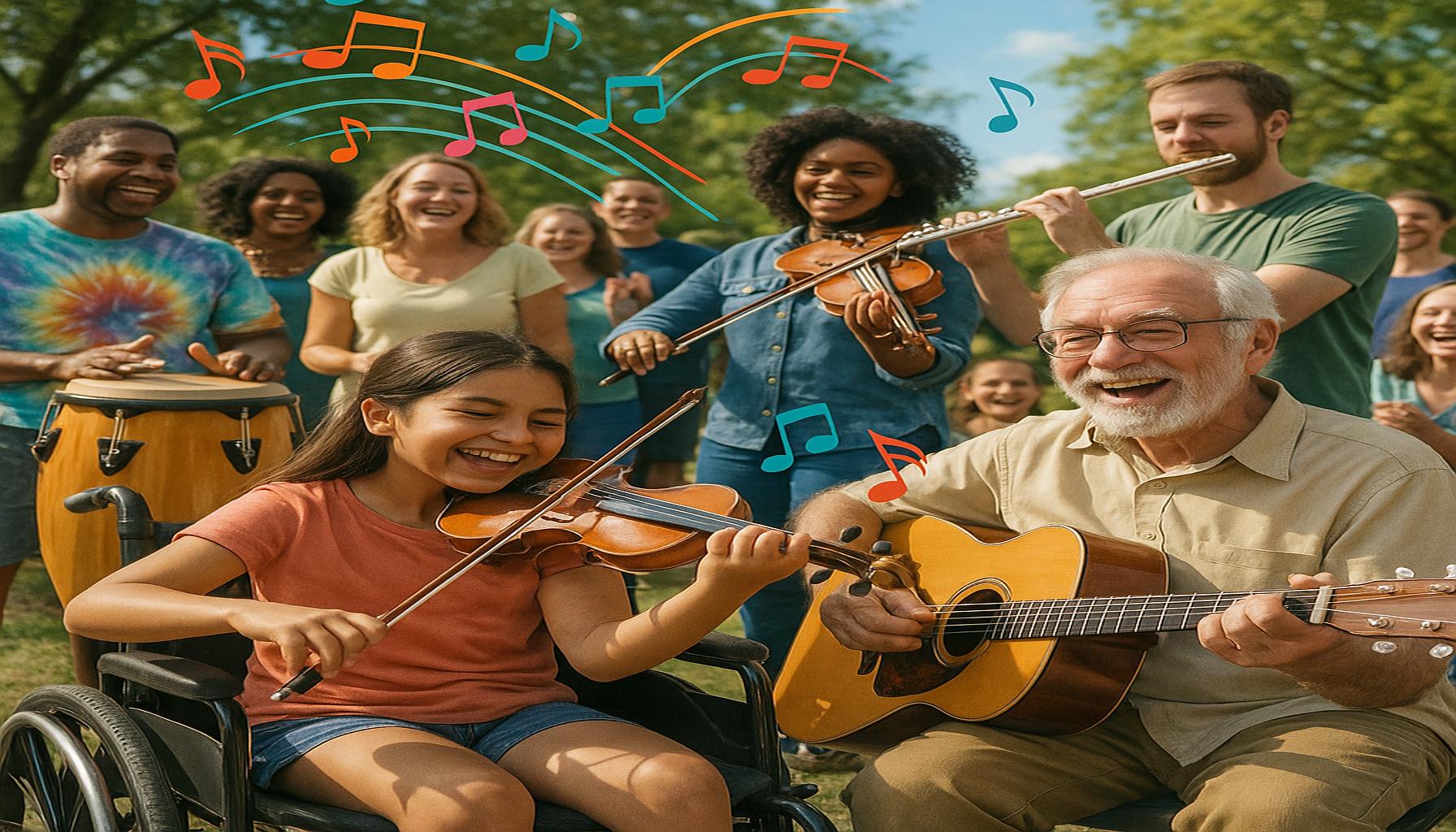
From the melodies of local church choirs to the beats echoing through urban streets, music resonates across all corners of the United States. This auditory art form can connect individuals from different backgrounds, creating networks of support and unity. The universality of music serves as a powerful platform for social inclusion, nurturing relationships and fostering understanding among diverse communities.
One of the most engaging aspects of music’s role in promoting inclusivity is its ability to encourage community engagement. For instance, programs like “Guitars Not Guns” provide underprivileged youth with opportunities to learn to play musical instruments through mentoring from local musicians. Such initiatives not only enhance musical skills but also instill a sense of belonging and self-worth among participants. The creation of community bands or orchestras, where members of varying skill levels come together, emphasizes collaboration and shared experiences, thereby reinforcing social ties.
Cultural Exchange Through Music Festivals
Another fascinating avenue through which music promotes inclusivity is cultural exchange. Festivals such as the “New Orleans Jazz & Heritage Festival” serve as vibrant showcases of the rich tapestry of musical traditions that comprise the American cultural landscape. These festivals allow different ethnicities to celebrate their distinct heritages, while also introducing attendees to unfamiliar styles and genres. With interactive workshops and live performances, participants can engage with artists directly, fostering appreciation and respect for diverse musical expressions.
Music Therapy: Healing Through Harmony
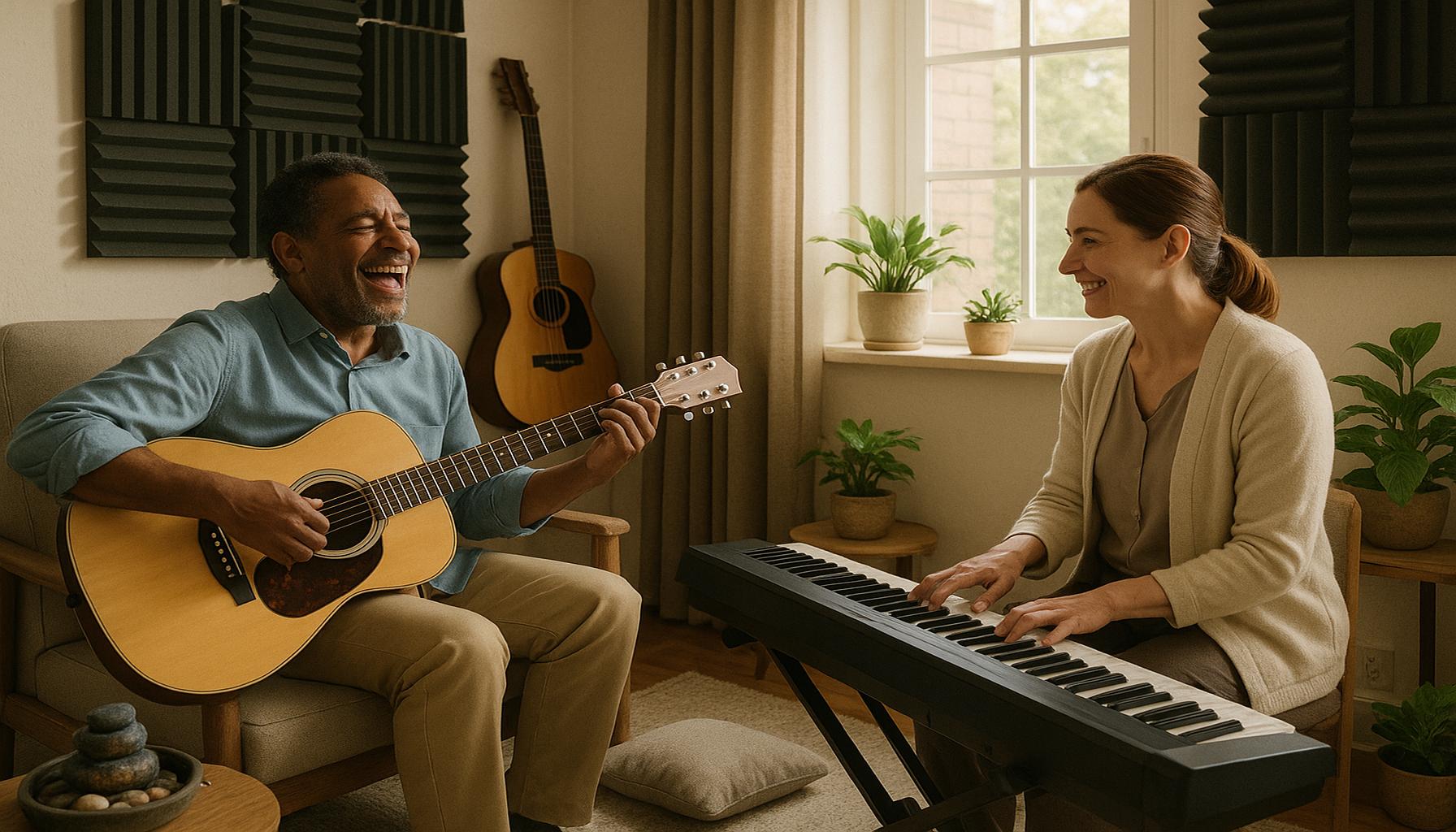
Music’s influence extends beyond social gatherings and into therapeutic realms, exemplifying its potential in healing and therapy. Numerous programs focus on music therapy, aimed at assisting individuals with disabilities or mental health challenges. For example, organizations like the “American Music Therapy Association” advocate for the use of musical interventions to address conditions such as anxiety, depression, and PTSD. By engaging in musical activities—whether it’s playing an instrument or singing—individuals can experience emotional release and cognitive improvement, thereby enhancing their overall well-being.
The transformative journeys of those who harness the power of music often highlight stories of overcoming adversity, showcasing the resilience of the human spirit. Music serves as both a form of expression and a potent catalyst for positive change within communities. As individuals navigate their realities, they are often accompanied by the soundtracks of their lives, offering not only solace but also the motivation to rise above challenges.
In exploring these narratives, one uncovers a profound truth: music is not just a form of entertainment; it is a vital force that shapes personal and collective experiences. The harmonious chords and rhythmic beats echo the life stories of many, urging society to recognize music’s potential as a unifying thread that binds us all together.
DIVE DEEPER INTO: Click here to discover how music shapes our cultural identities
The Power of Collective Expression
Music possesses the extraordinary ability to transcend spoken language and cultural barriers, making it a vital tool for social inclusion. In local communities across the United States, collective musical expression allows people to come together, forging connections that might not otherwise be possible. This phenomenon is particularly evident in programs that integrate music into educational and social frameworks, where individuals from diverse backgrounds collaborate towards a common goal. Whether through public performances or participatory workshops, the act of making music becomes a shared experience that cultivates understanding and acceptance.
Community Initiatives: Bridging Divides
Many initiatives around the country have harnessed the power of music to break down barriers and promote inclusivity. Programs like “Playing for Change” seek to unite musicians from varying cultures and socio-economic backgrounds. This initiative encourages collaboration, leading to the creation of global music videos featuring artists from different nations. These powerful visual narratives not only spread awareness about diverse music styles but also emphasize the commonalities among various communities. By participating in shared musical experiences, these artists foster empathy and a sense of belonging.
Such initiatives can take various forms:
- Community Choirs: Organizations like the “Sweet Adelines” and local church choirs bring people of all ages together, allowing them to create beautiful harmonies while building friendships.
- Drum Circles: Participatory drumming sessions enhance social bonds and promote the idea that music is a collective endeavor, often leading to spontaneous creativity.
- Musical Workshops: Programs that offer free workshops in schools or community centers provide participants with invaluable skills while cultivating camaraderie.
Transformational Stories in Action
The transformative power of music is not just theoretical; it is illustrated through real-life stories of individuals who have found resilience and strength through their experiences in musical settings. Take, for instance, the remarkable journey of an Atlanta-based hip-hop group known as the “All Stars Project.” Founded to provide opportunities for young people from underserved communities, the All Stars Project uses music and performance arts as vehicles for personal development. Participants often share that connecting with others in this expressive format has led them to overcome challenges they once deemed insurmountable.
Similarly, the Blues Project in Chicago offers musicians the chance to share their experiences through music while providing a safe space for personal expression. Participants recount their stories of overcoming struggles such as addiction, poverty, or social isolation, highlighting how their involvement in the project helped them regain self-esteem and fostered a sense of purpose. Such narratives not only inspire other individuals facing similar adversities but also remind society that music remains a powerful ally in the journey of healing and transformation.
By spotlighting these stories, it’s evident that the journey of individuals engaged in musical endeavors transcends mere entertainment. It serves as a clarion call, inviting a broader audience to appreciate how essential music is in enhancing social inclusion, delivering a message of hope, and creating a more interconnected world.
Exploring the Transformative Power of Music
Music has long been recognized as a universal language that transcends barriers, and its role in fostering social inclusion cannot be overstated. In communities around the world, music acts as a powerful vehicle for connecting individuals from diverse backgrounds, facilitating communication, and promoting understanding. Through engaging stories of individuals who have used music to overcome adversity, we witness how this art form cultivates resilience and transforms lives.One significant example is the use of community music programs that bring together disenfranchised youth, allowing them to express their identities and emotions creatively. By participating in collaborative musical projects, these young people not only refine their musical skills but also gain friendships that extend beyond their initial social circles, fostering a sense of belonging. Inclusion through music nurtures personal growth and empowers these individuals to share their stories.Moreover, music therapy has emerged as an effective intervention for individuals facing mental health challenges, providing a safe, creative outlet for self-expression. Through the therapeutic process, participants learn to process their emotions and experiences, leading to improved mental wellness and social reintegration. These narratives underscore the importance of recognizing music as a tool not only for enjoyment but also as a means for healing and building connections.Given these enriching references, it becomes vital to explore how music can further enhance social inclusion efforts. Collaborative initiatives between artists and marginalized communities could pave the way for more profound transformations, tapping into the collective power of creativity.
| Advantage | Description |
|---|---|
| Social Cohesion | Music fosters connections among diverse groups, strengthening community ties. |
| Emotional Healing | Acts as a therapeutic medium that encourages expression and alleviates mental health struggles. |
The exploration of music’s role in social inclusion not only highlights its profound impact on individual lives but also raises important questions about accessibility and representation in creative spaces. Addressing these concerns can amplify the success of community-oriented music initiatives, ultimately leading to positive social change. As we delve deeper into this subject, compelling stories continue to emerge, proving that music is indeed a transformative tool, bridging gaps and fostering inclusivity in our societies.
DIVE DEEPER: Click here to discover more creative activities
Musical Journeys: A Path to Empowerment
As the power of music to inspire and connect continues to grow, numerous grassroots movements across the United States have emerged, highlighting how this art form can act as a means of empowerment for individuals facing adversity. For many, music is not merely a form of entertainment; it becomes a lifeline, providing a sense of purpose and community that is invaluable in today’s fragmented society.
Restorative Effects of Music in Healing Communities
In numerous recovery programs, music therapy has proven to be an impactful tool for healing. For instance, Musicians on Call, a national organization, sends professional musicians to hospitals and care facilities, offering live music performances. These sessions not only uplift the spirits of patients but also create a shared moment of connection between individuals who may feel isolated in their health struggles. The positive impact of these musical encounters extends well beyond the patients; families and healthcare providers also experience a sense of hope and emotional relief.
Moreover, the Songwriting with Soldiers program introduces veterans to the therapeutic power of songwriting, allowing them to express their experiences and emotions in a supportive environment. Through collaborative songwriting sessions, veterans share their stories, transforming pain into art. Many participating veterans report increased emotional resilience and a greater sense of belonging, ultimately leading to a more profound sense of identity. The music crafted in this process resonates with their truths, fostering connections that bridge generational and experiential gaps.
The Role of Technology in Music’s Inclusive Future
As we navigate the digital age, technology plays a transformative role in enhancing music’s reach and accessibility. Online platforms allow marginalized voices to emerge, showcasing their stories and talents on a global stage. Social media campaigns like the #LetTheMusicPlay initiative encourage people to share their musical experiences, bringing together diverse groups and fostering an inclusive online community. This movement has empowered aspiring musicians, allowing them to connect with audiences and fellow creators, regardless of geographical limitations.
Additionally, technologies such as virtual reality (VR) are breaking down barriers in music education. Programs like Musical Minds offer immersive VR experiences for individuals with disabilities, enabling them to explore music creation and performance in a way that was previously unimaginable. This innovative approach not only enhances social inclusion but also allows participants to gain confidence, encouraging a newfound pursuit of artistic expression.
Impact on Youth: Shaping the Future of Music Inclusion
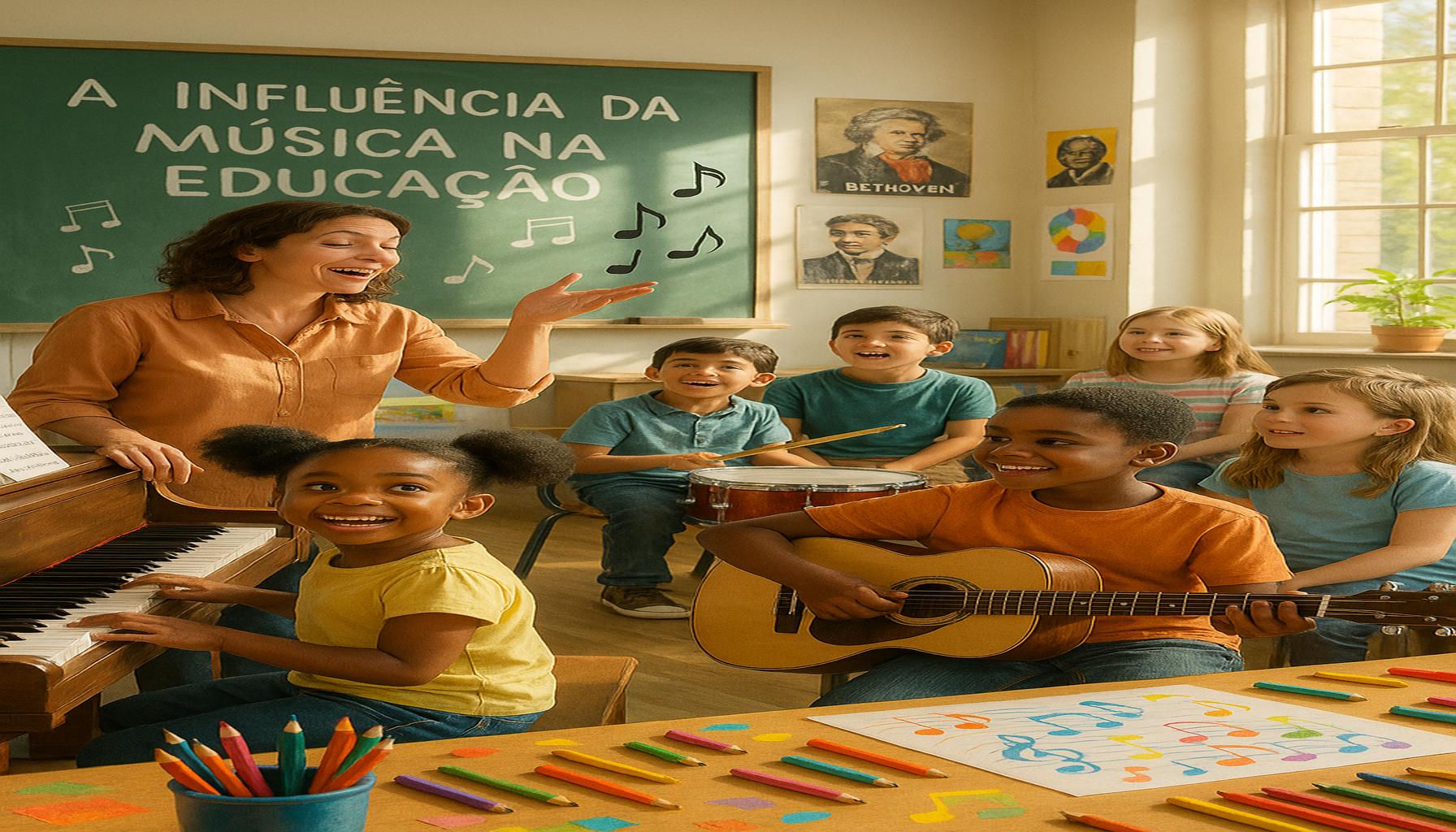
Among the most significant beneficiaries of music as a tool for social inclusion are youth. Initiatives like the Little Kids Rock program empower young people by providing free instruments and music lessons in under-resourced schools. Students learn various musical styles, from rock to hip-hop, allowing them to express themselves and explore their identities in a safe and encouraging environment. As they participate in jam sessions and concerts, young musicians develop not only their musical skills but also essential teamwork and problem-solving abilities.
Furthermore, programs such as Foster Voices focus specifically on youth in foster care, granting them the opportunity to engage in music-making that amplifies their unique stories. By collaborating with peers and mentors, participants gain a sense of agency and individuality, fostering resilience through creative outlets. These initiatives demonstrate how music can be an avenue for healing and growth, transforming lives and building a brighter future.
The stories emanating from these various programs serve as a reminder of the profound impact that music has on social inclusion—testaments to real people overcoming obstacles and redefining their narratives through melody, rhythm, and lyrics. They highlight the need for continued investment in music programs that advocate for equity, empathy, and empowerment across all sectors of society.
DISCOVER MORE: Click here to learn about creating unforgettable characters
Unlocking Potential Through Music
In conclusion, the role of music as a tool for social inclusion is a powerful testament to its ability to bridge divides, foster resilience, and transform lives. From programs that support veterans expressing their struggles through songwriting to initiatives providing instruments and lessons for underprivileged youth, the stories highlight the profound impact of music in creating communities where everyone belongs. The collaborative spirit among participants cultivates not only artistic expression but also vital social skills, building a sense of agency and empowerment.
Furthermore, the integration of technology into music accessibility opens new horizons for marginalized voices, enabling them to share their stories and talents on platforms that were once out of reach. As we embrace this digital age, it is imperative that we continue to champion such inclusive movements. We should advocate for policies and funding that support music programs, ensuring that every individual, regardless of their background, has the opportunity to harness the transformative power of music.
Ultimately, by investing in equity through the arts, we are not only enriching lives but also nurturing a more compassionate society. The melodies of hope and the rhythms of resilience echo in the hearts of those who dare to dream, reminding us that through music, barriers can be broken and futures can be rewritten. Let us celebrate and amplify these powerful stories of overcoming adversity, as they inspire us to envision a world where music continues to be a unifying force for all.