Music and Technology: The Impact of Digital Platforms on Music Careers
The Intersection of Music and Technology
Digital platforms have profoundly reshaped the music industry, creating a landscape filled with both opportunities and challenges for artists. In a world where listeners can access an immense library of songs with just a click, the transformation is nothing short of revolutionary. With streaming services, social media, and innovative production tools, musicians find themselves navigating an environment that was unfathomable just a few decades ago.
Consider the following:
- Accessibility: For aspiring artists, the ability to share their music globally via platforms like SoundCloud or YouTube has dismantled traditional barriers. Artists no longer require a record label to distribute their work; they can reach audiences across the globe independently. For instance, Billie Eilish gained massive popularity through her self-released songs on platforms like Spotify, illustrating the profound reach these platforms can offer.
- Monetization: Services such as Spotify, Apple Music, and Bandcamp have introduced new revenue streams, allowing artists to monetize their work through streams, subscriptions, and digital downloads. However, this shift has sparked discussions around fair pay; according to recent studies, artists earn as little as $0.004 per stream on Spotify, leading to calls for more transparent and equitable compensation models.
- Collaboration: Technology has redefined collaboration, enabling musicians to connect regardless of geographical barriers. Platforms like Splice allow producers to share samples and collaborate in real time, fostering creativity and enhancing production quality. For example, the collaboration between artists like Khalid and Disclosure occurred seamlessly even though they were in different countries, showcasing how technology can bridge gaps.
While the advantages are numerous, the challenges posed by these digital ecosystems cannot be overlooked. Artists must be proactive in a competitive digital environment to ensure their longevity and success.
Key factors contributing to this new reality include:
- Marketing: To thrive, artists must cultivate a compelling online presence. This includes engaging with fans on social media, creating TikTok challenges, or maintaining a vibrant YouTube channel. Notable artists such as Lil Nas X effectively utilized TikTok to catapult “Old Town Road” to viral fame, underscoring the importance of strategic marketing in today’s music landscape.
- Data Analytics: Insights derived from data analytics play a crucial role in shaping an artist’s strategy. Platforms provide key metrics that inform musicians about listener preferences and behaviors, enabling them to tailor their content to specific demographics. This data-driven approach can be pivotal in determining which songs to promote or even what type of merchandise to sell.
- Competition: The digital age has lowered entry barriers, leading to an influx of new talent. This saturated market makes it increasingly difficult for individual artists to stand out. Amidst this competition, unique branding and consistent engagement with audiences become vital in carving out a distinct place in the industry.
As we explore the impact of digital platforms on music careers, it is evident that technology presents a dual-edged sword. While it opens doors for artistic expression and global reach, it also demands resilience and adaptability from artists. They must not only create exceptional music but also master the intricacies of marketing and analytics to succeed in this ever-evolving landscape.
DISCOVER MORE: Click here to unleash your creativity
Adapting to the Digital Age
In the rapidly evolving music landscape, digital platforms have fundamentally altered the way artists create, distribute, and promote their work. The widespread use of technology presents both immense opportunities and significant challenges for musicians striving to establish successful careers. As we delve into this new blueprint for the industry, it becomes clear that adaptability is key for any artist looking to thrive.
One of the most significant shifts brought on by digital platforms is the speed of music distribution. Gone are the days when artists had to wait weeks or months for their albums to hit shelves or require a massive promotional budget to reach fans. Nowadays, platforms such as Spotify and Apple Music facilitate almost instantaneous releases, allowing artists to drop singles to coincide with a trending event or social media buzz. For example, the surprise release of Beyoncé’s self-titled album in 2013 on iTunes defined a new trend of surprise drops, paving the way for younger artists to capitalize on spontaneity.
Emphasis on Authentic Engagement
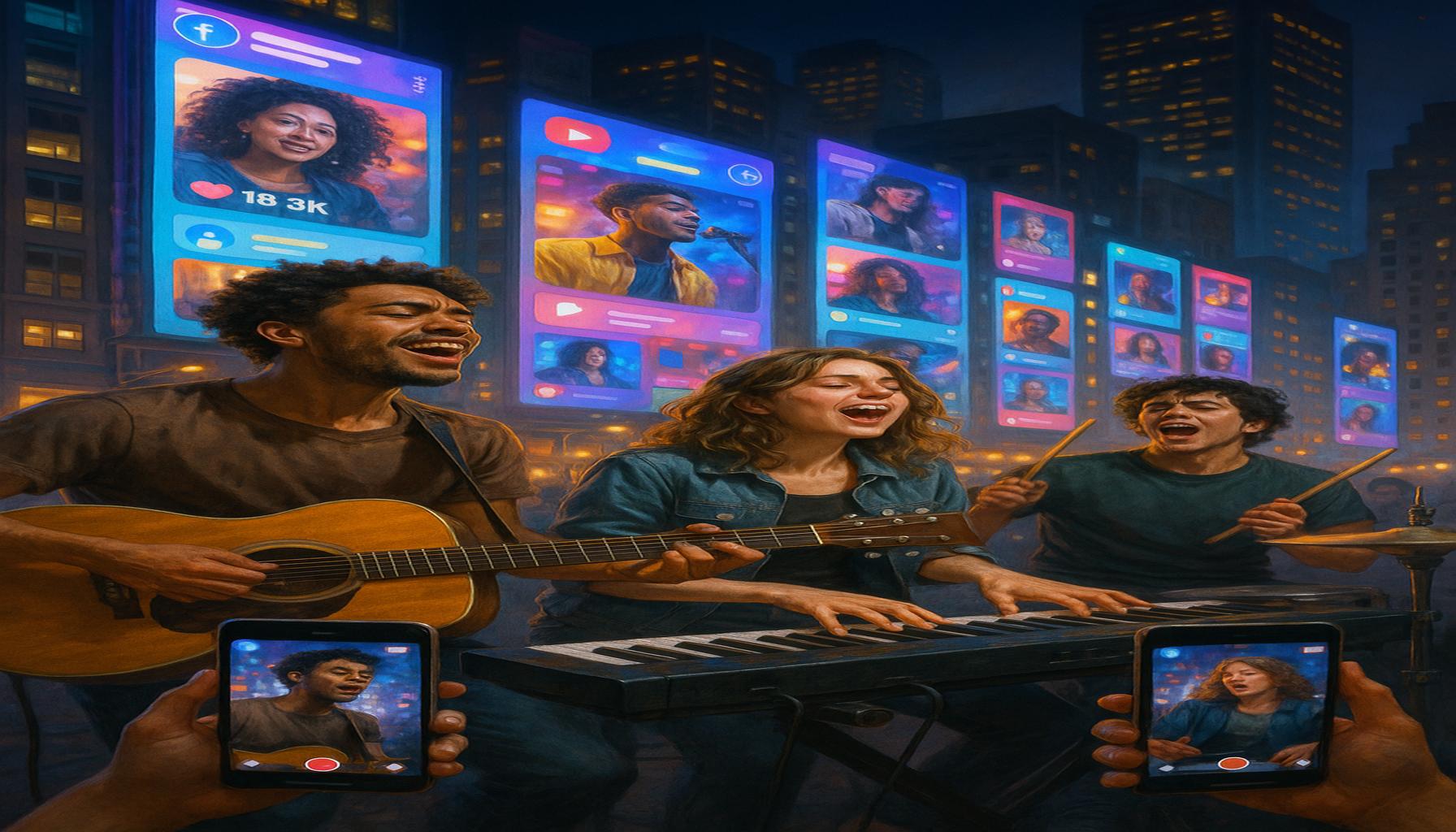
The influx of digital tools has also shifted the focus toward authentic engagement with fans. Artists no longer solely rely on traditional media outlets for publicity; social media has emerged as crucial for building a loyal fanbase. Platforms such as Instagram and TikTok allow artists to provide glimpses into their lives, share their creative processes, and connect personally with fans. This two-way relationship is exemplified by artists like Shawn Mendes, who actively engages with his followers through behind-the-scenes content, revealing the human side of his art. It’s this authenticity that resonates, forming a deeper connection that translates into a more dedicated audience.
Navigating the Streaming Ecosystem
As artists embrace the advantages digital platforms offer, they must also navigate the complexities of the streaming ecosystem. While streaming provides access to a global audience, it has also raised concerns regarding fair compensation. Recent studies indicate that the average artist requires millions of streams just to generate a livable income. With platforms retaining a significant portion of revenue, many musicians are famously vocal about the need for improved pay structures. The advent of platforms such as Bandcamp, which allows musicians to set their pricing and collect more of their earnings, represents a welcome alternative for those seeking a more equitable model.
- Independent Artists: The rise of self-released music has seen many artists taking the DIY route. Platforms like Bandcamp and SoundCloud provide the tools for artists to bypass traditional record labels altogether.
- Brand Collaborations: The ability to partner with brands directly via social media has become a lucrative avenue for many musicians, who can now leverage their influence to generate additional revenue streams.
- Live Streaming: The dramatic increase in live streaming events during the COVID-19 pandemic showcased new opportunities for artists to engage with fans and monetize their performances, opening the door for innovative digital concerts.
As artists continue to explore the myriad of possibilities afforded by music and technology, it is evident that the landscape is ripe with creativity and innovation. However, the successful navigation of this terrain requires not only musical talent but also a keen understanding of marketing, audience engagement, and industry dynamics. The journey towards a sustainable music career in the digital realm is as challenging as it is exciting, and only those who adapt will prosper.
Exploring the Nuances of Digital Platforms in Music Careers
As we delve deeper into the intersection of music and technology, it becomes evident that digital platforms not only reshape how artists distribute their work but also redefine their career trajectories. The accessibility that platforms such as Spotify, Apple Music, and SoundCloud offer can significantly elevate an artist’s reach and visibility. This democratization of music distribution allows emerging talents to bypass traditional gatekeepers like record labels, giving rise to a do-it-yourself approach to music entrepreneurship.Another crucial aspect to consider is the role of data analytics in the modern music landscape. Artists now have unprecedented access to listener data, enabling them to make informed decisions about tours, marketing strategies, and even songwriting. Social media platforms like Instagram and TikTok further amplify this effect, allowing artists to engage directly with their audience, cultivate fan loyalty, and leverage viral moments to enhance their careers.Yet, the digital age presents its challenges. The vast array of available content can lead to a phenomenon known as the paradox of choice, where listeners find it overwhelming to select music, potentially diluting any individual artist’s presence. Additionally, revenue from streaming services often falls short compared to traditional album sales, pushing musicians to diversify their income streams through merchandise, live performances, and crowdfunding.These dynamics underscore the necessity for artists to adapt continuously, embracing the evolving nature of the industry to stay relevant. Thus, understanding the implications of digital platforms is vital for artists seeking to navigate the modern music landscape and build sustainable careers.
| Category | Key Features |
|---|---|
| Emerging Talent Accessibility | Independent distribution on platforms |
| Data Analytics | Informed decision-making for artists |
| Listener Engagement | Direct interaction via social media |
| Diversified Income Streams | Crowdfunding, merchandise, live shows |
In this landscape of continuous change, artists who effectively utilize digital tools and platforms stand to benefit greatly, showcasing their creativity and adaptability to an ever-evolving audience. The synergy between music and technology fosters an environment ripe for innovation, presenting opportunities that redefine what it means to succeed in the music business today.
DIVE DEEPER: Click here to learn more
Redefining Music Promotion and Monetization
As digital platforms continue to reshape the music industry, the traditional methods of promotion and monetization have been fundamentally transformed. Artists are no longer restricted to the confines of radio play and print advertisements; instead, they can directly reach their audience through various online channels. This strategic shift empowers artists to curate their own promotional narratives, allowing them to portray themselves and their music authentically.
Innovations in Music Marketing
Modern music marketing tactics are now heavily rooted in the capabilities provided by social media algorithms and the expansive reach of platforms such as YouTube and TikTok. These platforms have democratized music exposure, often leading to songs going viral based on user-generated content. For instance, Lil Nas X’s “Old Town Road” gained immense popularity through TikTok, where users created dance challenges that propelled the track into the mainstream. This organic spread illustrates how artists can capitalize on viral trends to achieve exposure without a hefty marketing budget.
Moreover, strategic collaborations among artists, influencers, and brands have become an essential tactic for reaching new audiences. The concept of the collaborative playlist on platforms like Spotify allows multiple artists to share spaces, bridging fanbases and expanding their reach. These playlists can yield significant listener numbers, effectively amplifying engagement for every musician involved.
Emerging Revenue Streams
With the growing influence of digital platforms comes the need to *diversify revenue streams*. Artists today have various options beyond traditional album sales. Live performances, once the cornerstone of revenue generation, have found new life through virtual concerts and live-streamed events. The COVID-19 pandemic underscored this shift, as artists like Post Malone garnered millions of viewers during his virtual performance of Nirvana covers, demonstrating the potential of live streaming as a lucrative revenue source.
- Merchandising: Artists are increasingly using digital platforms to enhance their merchandising strategies, often promoting limited-edition items via social media to create a sense of urgency and exclusivity.
- Subscription Services: Platforms like Patreon and OnlyFans provide artists the ability to connect with their most dedicated fans, offering exclusive content for a monthly fee, helping to stabilize their income.
- Digital Rights Management: As artists grapple with the complexities of copyright in the digital space, understanding digital rights management tools becomes paramount to protect their work while maximizing earnings.
Another innovative revenue source lies in licensing deals, where artists permit their music to be used in commercials, movies, or games. Membership in platforms such as Songtradr enables musicians to find sync placements more easily, ensuring a continuous influx of income while broadening exposure. As artists embrace this vast array of monetization options, it highlights how innovation is key to not just surviving in today’s music industry, but thriving in it.
In summary, the influence of digital platforms has redefined the music industry, equally amplifying opportunities and demands for contemporary artists. Those navigating this evolving landscape must be proficient not only in their musical endeavors but also in developing a robust understanding of marketing, audience engagement, and new monetization avenues. The fusion of music and technology continues to spark unparalleled potential for the next generation of musicians.
DIVE DEEPER: Click here to uncover exciting projects
Conclusion: Embracing the Future of Music Careers
The intersection of music and technology has opened a new frontier for artists, revolutionizing their careers in ways previously unimaginable. Digital platforms have democratized the music industry, allowing independent musicians to not only share their creations with a global audience but also to take control of their careers. As we have explored, the redefinition of music promotion, enhanced marketing strategies, and diverse revenue streams have empowered artists to carve out their own paths.
In this ever-evolving landscape, the importance of digital literacy cannot be overstated. Artists must now wear multiple hats—functioning as their own marketers, brand strategists, and content creators. As trends shift with rapid technological advancements, adaptability becomes critical. Tools like social media analytics, streaming services, and virtual events present exciting opportunities for musicians to engage directly with their fanbase, fostering deeper connections.
However, despite the advantages, challenges remain. Navigating the complexities of digital rights management and standing out in a saturated market requires persistence and innovation. Emerging artists, in particular, must remain vigilant and aware of industry trends to effectively leverage the digital tools at their disposal.
Ultimately, the fusion of music and technology is a double-edged sword that necessitates creativity, strategic thinking, and a tech-savvy approach. As we look to the future, the potential for growth and success in music careers continues to expand, paving the way for the next generation of artists to thrive in a landscape rich with possibilities. Now more than ever, the music industry stands as a testament to the transformative power of technology, inviting musicians to embark on exciting journeys that can redefine their artistic legacies.