
Exploring Music Therapy: How Music Can Help Mental Health
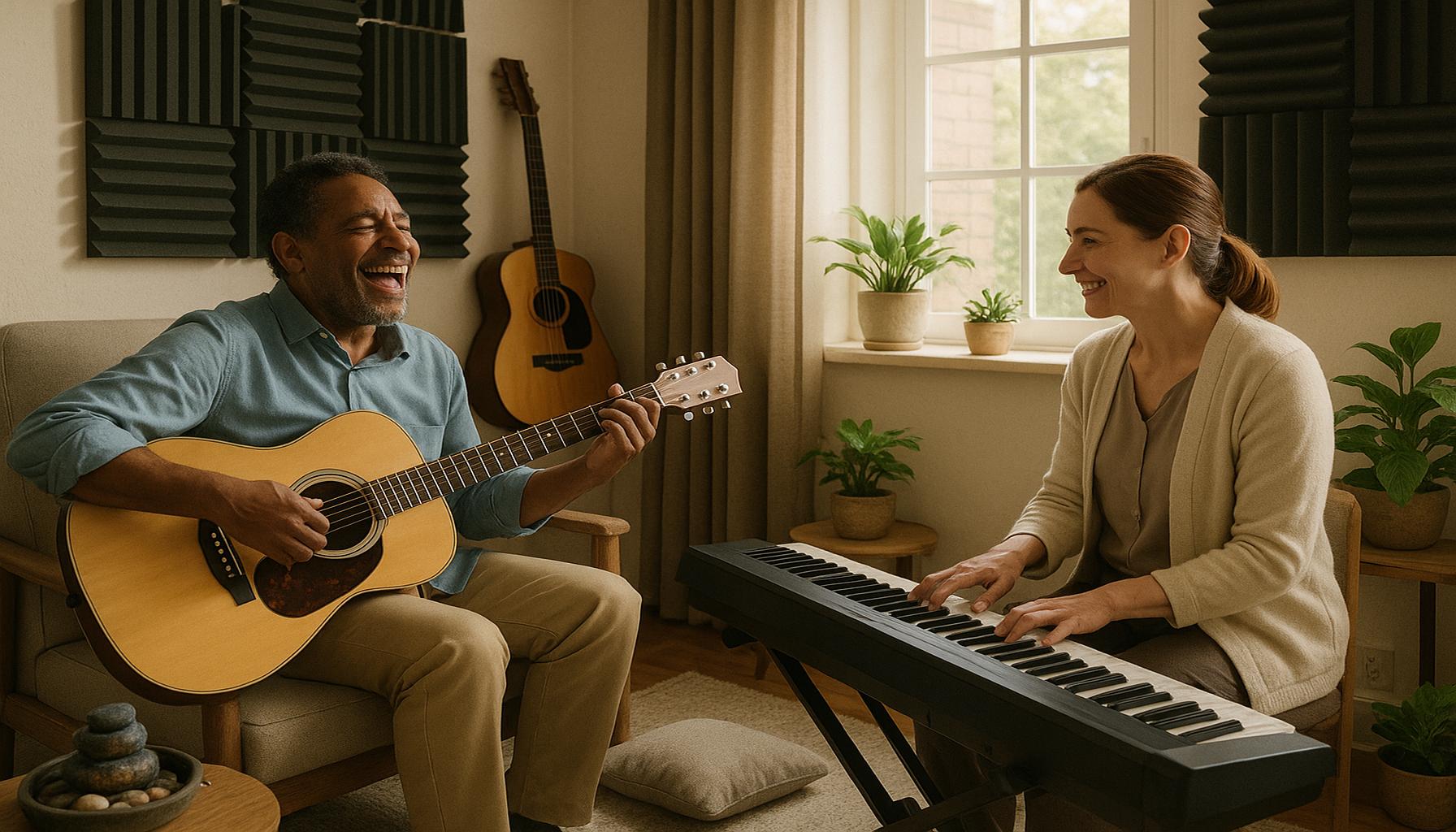
The Therapeutic Benefits of Music in Enhancing Mental Health
In today’s hectic society, where individuals constantly juggle demands from work, family, and social obligations, the need for effective mental health solutions is paramount. One of the most promising approaches that is gaining traction is music therapy. This innovative practice taps into the power of sound and rhythm, promoting emotional health and well-being in ways that are both profound and accessible.
Music therapy provides various mechanisms to support mental health, allowing individuals to harness the therapeutic potential of music in distinct ways. For instance, emotional expression is one of the most significant benefits; music can serve as a powerful outlet for feelings that may be challenging to articulate verbally. People often find solace in lyrics that resonate with their personal experiences, facilitating a form of expression that feels safe and validating.
The soothing power of music also plays a crucial role in stress reduction. Research shows that listening to calming melodies can induce relaxation responses, leading to decreased heart rates and lower levels of cortisol, the stress hormone. For example, classical composers like Bach or contemporary artists like Enya produce sounds known to foster tranquility during stressful times.
Another noteworthy aspect of music therapy is its ability to foster social connection. Participating in group music therapy sessions can create an environment of support and understanding, as individuals share their experiences through collaborative musical activities. These shared moments can break down barriers and promote a sense of belonging that is often critical for emotional healing.
Empirical research has drawn attention to important benefits associated with music therapy, revealing its potential to improve mood. Studies indicate that individuals who engage with music regularly report feelings of happiness and contentment, providing an antidote to symptoms of conditions like depression. Moreover, cognitive enhancement through music therapy is becoming increasingly recognized, particularly among populations with cognitive impairments, such as the elderly or individuals with PTSD. Evidence suggests that rhythm and melody can aid memory retention and focus, thereby improving cognitive functionality.

Finally, the integration of music therapy with traditional mental health treatments represents a holistic treatment approach that addresses the multifaceted nature of mental health. By combining medication, psychotherapy, and music therapy, practitioners can offer a well-rounded care plan that may enhance overall effectiveness.
As the field of music therapy continues to develop, it presents an exciting frontier for those looking to deepen their understanding of how sound influences healing processes. Through continued investigation and application, the potential for music to transform mental health outcomes is vast and ripe for exploration.
DISCOVER MORE: Click here to dive deeper
Unveiling the Science Behind Music Therapy
As the field of mental health continues to evolve, music therapy stands out as a compelling avenue for individuals seeking alternative or complementary treatments. But what exactly does this therapy entail? Music therapy is a clinical and evidence-based practice where certified therapists use musical interventions tailored to the needs of clients. This methodology benefits various populations—from children with developmental disorders to elderly individuals experiencing dementia. By integrating music into therapeutic practices, therapists create structured ways for patients to connect with their emotions, process experiences, and ultimately foster healing.
One of the intriguing aspects of music therapy is its emphasis on personalization. Therapists often conduct thorough assessments to understand an individual’s history, preferences, and therapeutic goals, allowing them to design sessions that resonate with those they serve. Whether through songwriting, instrumental improvisation, or guided listening, the approach remains customizable, reinforcing the meaningful bond between the individual and the music.
The Diverse Forms of Music Therapy
Music therapy can take various forms, each providing unique opportunities for healing. Here are some prevalent modalities that practitioners often employ:
- Active Music Therapy: In this hands-on approach, clients engage in creating music, whether through singing, playing instruments, or composing songs. This active participation fosters a strong sense of agency and can be particularly effective for individuals who find it difficult to express their emotions verbally.
- Receptive Music Therapy: This involves listening to music selected by the therapist or the client. The aim is to elicit emotional responses and facilitate relaxation, providing a platform for discussion and personal reflection.
- Lyric Analysis: By exploring song lyrics and contextualizing them within one’s life experience, individuals can uncover insights about their feelings and challenges. This method helps bridge emotional gaps and clarify complex emotions.
Notably, the effects of music therapy can extend beyond immediate emotional relief; it has been observed to yield long-term benefits as well. Regular participation in music therapy sessions can lead to improvements in overall emotional resilience, coping strategies, and even communication skills in those facing cognitive challenges.
Current Research Trends in Music Therapy
Emerging studies are continually providing evidence to support the efficacy of music therapy in treating various mental health disorders. For instance, a 2022 meta-analysis published in the Journal of Music Therapy revealed that individuals with anxiety disorders showed significant reductions in symptoms after participating in structured music therapy sessions. Moreover, the rapport built between therapist and client through these shared musical experiences fosters trust and encourages a safe space for exploration.
This research not only enhances the credibility of music therapy as a viable option for mental wellness but also expands its recognition within mainstream healthcare settings. As hospitals and clinics begin integrating music therapy into their treatment protocols, it becomes apparent that sound healing is not just a complementary therapy but a crucial resource for mental health.
As we continue to navigate the complexities of mental health, understanding the multifaceted role of music therapy opens doors to innovative healing practices, making it an evolving frontier full of promise.
| Advantage | Description |
|---|---|
| Emotional Expression | Music provides a platform for individuals to express complex emotions, facilitating understanding and dialogue. |
| Stress Reduction | Engaging in music therapy can significantly decrease levels of anxiety and stress, improving overall well-being. |
| Cognitive Benefits | Music therapy can enhance brain function, improving memory, attention, and problem-solving skills in individuals. |
| Connection and Community | Group music therapy fosters bonding among participants, reducing feelings of isolation and building social networks. |
Music therapy is increasingly recognized for its integral role in enhancing mental health. The emotional expression it offers enables individuals to break through barriers of communication that might be challenging to navigate otherwise. Moreover, the inherently calming nature of music contributes to marked stress reduction, fostering a sense of peace and relaxation.Beyond emotional benefits, music therapy demonstrates measurable cognitive advantages. Research shows that engagement with musical activities can sharpen memory and enhance overall brain function. It can also create a powerful sense of connection among participants. In group settings, music acts as a communal bridge, fostering relationships and reducing feelings of loneliness. For anyone intrigued by these remarkable insights of how holistic approaches contribute to mental health, exploring music therapy is a compelling avenue worth investigating further.
DIVE DEEPER: Click here to discover the art of storytelling through scrapbooking
Bridging the Gap: Music Therapy in Clinical Settings
As we delve deeper into the realm of music therapy, it is essential to consider its integration within clinical and community settings. Music therapy is increasingly being recognized not only as an adjunct to traditional treatments but also as a core component of comprehensive mental health care. Hospitals, rehabilitation centers, and mental health facilities are implementing music therapy programs to enhance patient experiences and outcomes.
One notable example is the use of music therapy in treating post-traumatic stress disorder (PTSD). Veterans who have served in combat often face significant mental health challenges. A study published by the American Journal of Music Therapy revealed that veterans participating in music therapy exhibited decreased levels of PTSD symptoms, significantly improving their quality of life. Through the safe exploration of their feelings in a musical context, veterans found a more accessible outlet for processing trauma.
In pediatrics, music therapy has proven beneficial for children with emotional and behavioral disorders. Research conducted at several hospitals has shown that incorporating music therapy into treatment for children with autism spectrum disorder (ASD) leads to enhanced social skills and improved emotional expression. By engaging with music in a structured environment, children are often more willing to communicate and connect with their peers, paving the way for healthier social interactions.
Music’s Physiological Impact
Beyond emotional and cognitive benefits, the impact of music therapy extends to the physiological realm as well. Numerous studies suggest that music can alter physiological responses, such as heart rate, blood pressure, and stress hormone levels. For instance, listening to soothing music can lead to the reduction of cortisol— the hormone associated with stress—in patients undergoing surgery or medical procedures. This not only aids in relaxation but also contributes to a smoother recovery process.
Furthermore, a fascinating intersection of music therapy and neuroscience has arisen, with researchers exploring how music influences brain activity. Functional MRI scans have illustrated that engaging with music activates regions of the brain associated with emotion, memory, and even motor coordination. This knowledge empowers clinicians to utilize music not just as an art form but as a powerful tool for neurological rehabilitation, aiding individuals recovering from strokes or traumatic brain injuries.
Challenges and Future Directions
<pDespite the promising findings surrounding music therapy, certain challenges remain in its widespread implementation. One of the major hurdles is the need for trained professionals. Although music therapy programs are blossoming, the demand for certified music therapists continues to outweigh the current supply. Advocacy for training and education in music therapy is crucial to meet the needs of diverse populations seeking mental health support.
As technology continues to evolve, innovative tools such as virtual reality music therapy and mobile apps for guided self-expression are emerging, facilitating access to therapeutic music interventions. These advancements may enhance the reach of music therapy, allowing individuals who may not have access to in-person sessions to benefit from its healing properties.
Thus, as research continues and public awareness grows, the future of music therapy appears bright, with great potential to transform lives and redefine mental health treatment paradigms. By understanding the profound connection between music and mental health, we open new pathways for holistic well-being that benefit individuals and communities alike.
DIVE DEEPER: Click here to explore the enchanting world of narrative styles
Conclusion: A Harmonious Path to Mental Wellness
As we conclude our exploration of music therapy, it is evident that the synergy between music and mental health offers a transformative approach to healing. The various applications of music therapy, from aiding veterans with PTSD to enhancing social skills in children with autism spectrum disorder (ASD), highlight its wide-ranging potential in clinical and community settings. The incorporation of music therapy within healthcare not only enriches patient experiences but significantly contributes to better therapeutic outcomes, turning the untamed power of music into a structured tool for recovery.
Moreover, the physiological benefits of music, such as reducing stress hormone levels and aiding in recovery after medical procedures, unravel another compelling layer of its importance in mental health care. Current research demonstrating the impact of music on brain activity opens exciting avenues for further exploration and application in neurological rehabilitation and other fields.
While challenges such as the shortage of trained professionals continue to impede the universal adoption of music therapy, advances in technology offer promising solutions. The emergence of virtual platforms and mobile applications can democratize access to these therapeutic interventions, ensuring that more individuals can tap into music’s profound healing capabilities.
Ultimately, as society increasingly embraces holistic approaches to mental health, music therapy stands as a beacon of hope, inviting individuals to harness its transformative power. By fostering awareness and investment in this innovative field, we pave the way toward a future where mental well-being is accessible and enriched by the universal language of music.