
Effective Step-by-Step Skincare Routine for Acne

Understanding Acne and Its Impact
Acne can be a frustrating and often embarrassing skin condition that affects many individuals, particularly in their teenage years and early adulthood. For many, it can feel like an all-consuming battle, with the impact stretching beyond the skin and affecting self-esteem and confidence. Studies indicate that over 50 million Americans experience acne each year, signaling a widespread need for effective management strategies.
Effective Skincare Routine: A Step-by-Step Guide
The search for an effective skincare routine can often feel overwhelming amidst the myriad of products and conflicting advice available. However, with the right approach, achieving clear skin is entirely possible. Establishing an effective skincare regimen is crucial in combating acne. Here’s a closer look at each essential step:
- Gentle Cleansing: Start with a cleanser that is formulated for sensitive, acne-prone skin. Look for products that are free from harsh sulfates and artificial fragrances. Ingredients like salicylic acid or benzoyl peroxide can help, as they target acne-causing bacteria. Cleansing your face twice a day can prevent the buildup of oil that contributes to breakouts. Popular options include Neutrogena’s Oil-Free Acne Wash and Cetaphil Daily Facial Cleanser.
- Exfoliation: Regular exfoliation is key in removing dead skin cells that can clog pores and lead to acne. Opt for chemical exfoliants containing alpha hydroxy acids (AHAs) or beta hydroxy acids (BHAs). These ingredients are effective in smoothing the skin’s surface and decreasing inflammation. Products like Paula’s Choice Skin Perfecting 2% BHA Liquid Exfoliant have garnered positive reviews for their ability to clear congested pores.
- Targeted Treatments: After cleansing and exfoliating, apply targeted treatments that can reduce inflammation and fight bacteria. Look for serums or gels with active ingredients such as benzoyl peroxide, retinoids, or tea tree oil. These ingredients may help to diminish existing breakouts and prevent future ones. Differin Gel, a topical retinoid, is a well-known option for reducing acne flare-ups over time.
- Moisturization: Many people believe that oily skin doesn’t need to be moisturized; however, hydration is essential even for those with acne. Utilize oil-free, non-comedogenic moisturizers to provide hydration without clogging pores. Brands like Clinique and La Roche-Posay offer excellent lightweight options designed for acne-prone skin.
- Sun Protection: Protecting your skin from harmful UV rays is vital. Use a non-comedogenic sunscreen with an SPF of at least 30 daily. Sun exposure can dehydrate the skin, prompting it to produce more oil, which may worsen acne. Look for mineral sunscreens containing zinc oxide, which are less likely to irritate acne-prone skin.
The Key to Success
With consistent effort and the right products tailored to your needs, you can manage acne effectively. Each step in your routine plays a significant role in maintaining your skin’s health and preventing future breakouts. Remember, patience is crucial; skincare routines may take time to show significant results.
Ready to transform your skincare game? Let’s explore these steps in more detail and discover how small changes can lead to a significant improvement in your skin’s health.
DIVE DEEPER: Click here to learn more about transparency in cosmetic labeling
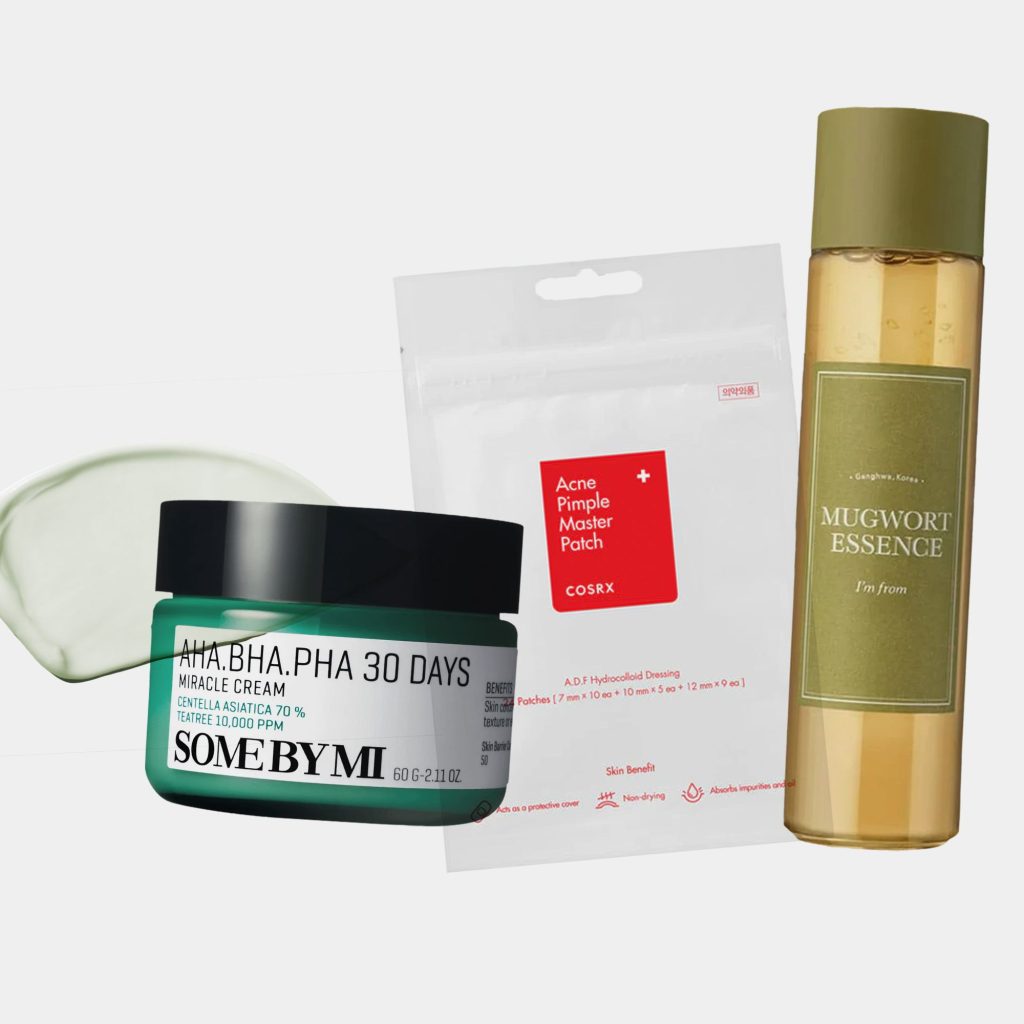
Establishing a Solid Foundation
Prioritizing an effective skincare routine for acne is essential in maintaining skin health and preventing future breakouts. This journey begins with understanding how to create a systematic approach that incorporates gentle yet effective products tailored to your skin’s unique needs. Grasping the fundamentals of each step will empower you to take charge of your skin and its condition.
Gentle Cleansing: The First Step
Starting with gentle cleansing is paramount. The cleanser you choose should be specifically designed for acne-prone skin to ensure proper treatment without exacerbating the condition. Look for ingredients like salicylic acid, known for its ability to penetrate pores, helping to dissolve excess oil and dead skin cells effectively. Alternatively, benzoyl peroxide can reduce bacteria levels on the skin. It’s essential to cleanse your face twice daily—once in the morning and once before bed—to maintain a clear complexion. Do note, over-cleansing can irritate the skin and lead to more breakouts, so moderation is key. Popular products, such as the Neutrogena Oil-Free Acne Wash and Cetaphil Daily Facial Cleanser, are effective options to consider.
The Role of Exfoliation
Exfoliation plays a crucial role in an effective skincare routine by removing dead skin cells that can clog pores, leading to acne. Unlike physical exfoliants that can be harsh on blemish-prone skin, chemical exfoliants offer a gentler alternative. Focus on products enriched with alpha hydroxy acids (AHAs) or beta hydroxy acids (BHAs). AHAs, like glycolic acid, help to slough off surface layers, while BHAs, particularly salicylic acid, penetrate deep into pores to provide a thorough cleanse. Products such as Paula’s Choice Skin Perfecting 2% BHA Liquid Exfoliant have garnered rave reviews for their ability to promote clearer, smoother skin.
Targeted Treatments: Zapping the Zits
Once your skin is clean and exfoliated, the next step involves applying targeted treatments aimed specifically at combatting existing acne. These treatments can be found in various forms, such as gels or serums, and they often contain potent active ingredients like retinoids or natural solutions like tea tree oil. Retinoids not only target current breakouts but also help in preventing future ones by promoting cell turnover. Consider using options like Differin Gel, a topical retinoid that can reduce the frequency and severity of acne flare-ups over time.
The Importance of Moisturization
A common misconception is that those with oily or acne-prone skin should forgo moisturization. In reality, hydration is essential to maintain a healthy skin barrier. Look for oil-free and non-comedogenic moisturizers that hydrate without clogging pores. Creams or gels from reputable brands such as Clinique or La Roche-Posay provide lightweight options tailored for those facing acne challenges.
Sun Protection: A Vital Aspect
The final step in this effective skincare routine is daily sun protection. Sunscreen is an integral part of healthy skin maintenance, as UV exposure can worsen acne and lead to scarring. Choose a non-comedogenic sunscreen with a minimum SPF of 30, ensuring it won’t trigger breakouts. Opt for mineral sunscreens that contain zinc oxide, as they tend to be less irritating for acne-prone skin.
By meticulously following these foundational steps, you create an excellent framework for an effective skincare routine that helps manage acne. It’s important to remember that consistency and patience are key to seeing lasting results.
Understanding Your Skin Type
To create an effective step-by-step skincare routine for acne, it’s crucial to first understand your skin type. Each skin type reacts differently to products, making it essential to tailor your routine accordingly. Common skin types include oily, dry, combination, and sensitive. For instance, individuals with oily skin may benefit from oil-free moisturizers and gel-based cleansers, while those with dry skin may require hydrating creams and gentle exfoliants to prevent irritation.
The Importance of Cleanser
Choosing the right cleanser is a cornerstone of maintaining clear skin. For acne-prone individuals, look for cleansers that contain salicylic acid or benzoyl peroxide, which can help unclog pores and reduce inflammation. Cream-based cleansers can also be effective as they do not strip natural oils, providing a balanced approach to cleansing.
| Category 1 | Category 2 |
|---|---|
| Cleansing | Removes dirt and excess oil, preventing breakouts. |
| Exfoliation | Helps remove dead skin cells, reducing clogged pores. |
Moisturizing Strategically
Another key step in an effective acne skincare routine is moisturizing. While it may seem counterintuitive to apply moisturizer if you have oily skin, hydration is still necessary to maintain skin balance. Use non-comedogenic moisturizers that won’t clog your pores and opt for lightweight formulas containing hyaluronic acid.
Target Treatments for Active Acne
For treating active breakouts, consider spot treatments with active ingredients like benzoyl peroxide or tea tree oil. These treatments can penetrate pores and target blemishes effectively. Additionally, some serums designed specifically for acne can provide a preventative approach, helping to minimize future breakouts while improving skin texture.
Sun Protection is Essential
Lastly, protect your skin daily with a broad-spectrum sunscreen. Many acne treatments can make your skin more sensitive to the sun, so applying sunscreen every day is critical to avoiding further damage or hyperpigmentation. Look for formulations that are oil-free and designed for acne-prone skin.
Adopting an organized and mindful approach to your skincare routine can significantly improve the health and appearance of your skin. By customizing products to fit your unique needs and following a well-structured regimen, you can combat acne effectively and regain confidence in your complexion.
DISCOVER MORE: Click here to learn how to protect yourself
Building on Your Skincare Success
Once you’ve laid a strong foundation with your basic skincare steps, it’s time to delve deeper into enhancing your routine to ensure sustained acne prevention and improved skin health. Beyond cleansing, exfoliating, targeted treatments, hydration, and sun protection, there are additional elements that can significantly contribute to your skincare journey. Understanding these components not only aids in effective acne management but helps you tailor your experience to meet your skin’s evolving needs.
The Power of Masks: A Weekly Boost
Incorporating face masks into your skincare routine can provide a significant boost to your acne management efforts. Look for masks that contain ingredients like clay or charcoal, which help absorb excess oil and draw out impurities from clogged pores. A popular choice among acne sufferers is the Aztec Secret Indian Healing Clay, aptly named for its deep cleansing abilities. Using masks once or twice a week can enhance your cleansing regimen and provide instant gratification with clearer, brighter skin.
Hydration Beyond Moisturizers: The Role of Serums
While moisturizing is an essential step, consider supplementing your routine with serums that feature hyaluronic acid or niacinamide. Hyaluronic acid serves to hydrate the skin deeply without adding oil, making it an excellent choice for acne-prone individuals. On the other hand, niacinamide not only aids in redness reduction but also helps to regulate oil production and improve skin texture. Products like The Ordinary Niacinamide 10% + Zinc 1% have amassed a cult following for their effectiveness and affordability.
The Impact of Lifestyle Choices
The efficacy of your skincare routine extends beyond the products you put on your face; it also encompasses your lifestyle choices. Eating a balanced diet rich in antioxidants—like vitamins A, C, and E—can play a crucial role in maintaining healthy skin. Foods such as leafy greens, fruits, and fatty fish are particularly beneficial. Furthermore, staying hydrated by drinking plenty of water throughout the day is essential in flushing out toxins that can contribute to skin issues. Moreover, incorporating daily exercise not only boosts circulation, which can lead to healthier skin, but also reduces stress—a known acne trigger. To amplify your efforts, consider integrating mindfulness practices, such as yoga or meditation, into your routine.
Consulting a Professional: The Dermatologist’s Touch
If over-the-counter products aren’t delivering desired results, it may be worthwhile to seek guidance from a dermatologist. They can prescribe stronger medications, such as topical antibiotics or oral contraceptives, depending on your individual needs and skin type. Alongside traditional treatments, some dermatologists offer advanced procedures like chemical peels, laser therapy, or photodynamic therapy which can provide significant relief for persistent acne.
Patch Testing New Products
Whenever introducing new products into your skincare regimen, consider patch testing to ensure that they won’t irritate your skin or trigger breakouts. Apply a small amount of the product to an inconspicuous area of skin, such as behind your ear or on your inner arm, and observe for any adverse reactions over the next 24 to 48 hours. This practice can save you from unnecessary irritation and help you make informed decisions about which products to include in your routine.
Building a comprehensive and effective skincare routine for acne involves not only following established steps but also integrating complementary practices, personal habits, and, when necessary, professional advice. By being responsive to your skin’s signals and continually educating yourself about effective products and techniques, you can achieve a clearer, healthier complexion.
DIVE DEEPER: Click here to discover homemade beauty recipes
Conclusion: Your Path to Clear Skin
In conclusion, establishing an effective step-by-step skincare routine for acne is both an art and a science. The journey to achieving clear skin starts with understanding your individual skin type, utilizing a consistent regimen that includes cleansing, exfoliating, and moisturizing, as well as essential sun protection. Supplementing these essential steps with mask treatments and targeted serums can serve to enhance your efforts in combating acne effectively. It’s crucial to remember that acne management is not solely product-driven; lifestyle choices play a pivotal role, too.
Integrating a balanced diet rich in antioxidants, staying hydrated, and minimizing stress through activities like exercise and mindfulness can elevate your skincare efforts. Should over-the-counter solutions fall short, consulting with a dermatologist can provide the expert insight and tailored treatments that may be required for more stubborn cases.
As every individual’s skin is unique, don’t underestimate the value of patch testing new products to avoid adverse reactions. Keep a keen eye on your skin’s response as you evolve your routine; patience and consistency are key here. In the fast-paced world we live in, dedicating time to care for your skin is not just a cosmetic choice, but a commitment to overall well-being. Armed with knowledge and a multifaceted approach, you embark on a rewarding journey toward clearer, healthier skin.